
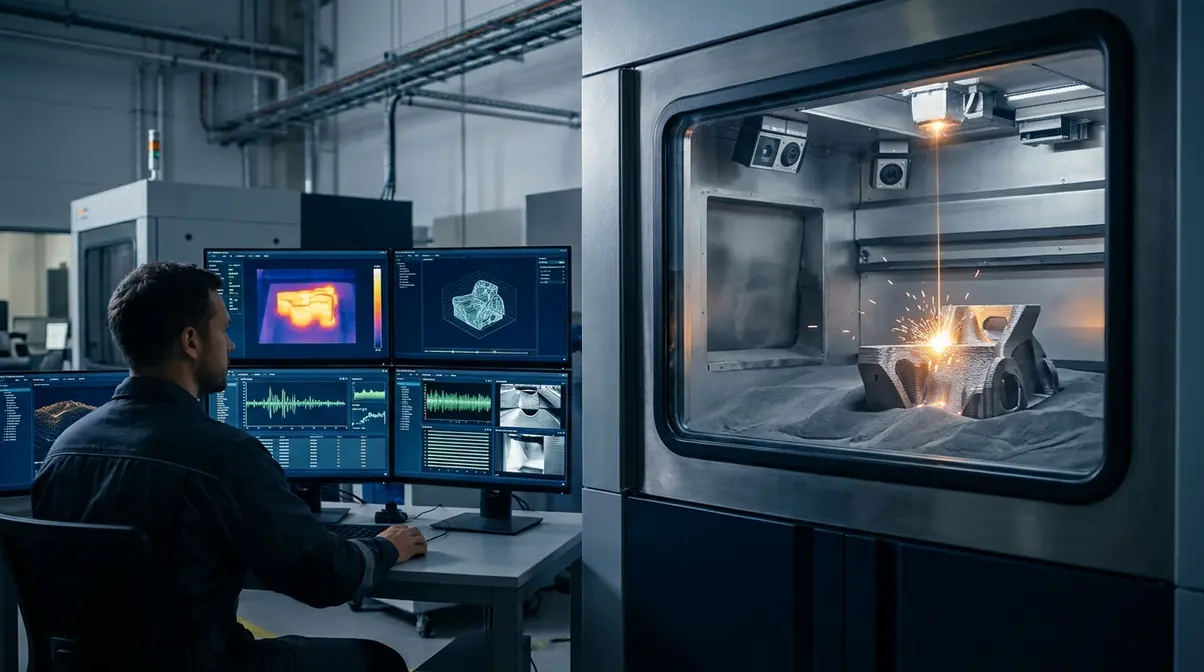
In the field of laser powder bed fusion (LPBF), build engineers often face significant challenges regarding part quality and consistency. A common issue occurs when a print job appears successful upon completion, only for post-production analysis—such as CT scanning—to reveal internal defects weeks later. These flaws, which can include warped internal geometries or localized areas of poorly melted material, are often difficult to trace to a specific point in the manufacturing process.
Euler is focusing on mitigating these risks by leveraging sensors already present in existing additive manufacturing hardware. By utilizing these integrated tools, the company aims to provide engineers with a method to monitor and identify process anomalies as they happen, rather than discovering them through destructive or time-intensive retrospective analysis.
This approach addresses a persistent gap in metal additive manufacturing: the time lag between the physical completion of a build and the validation of its structural integrity. By enabling real-time or near-real-time detection of errors, such as those occurring mid-build, manufacturers may be able to reduce waste and improve production reliability without the need for additional hardware installations.
Leave a Reply