Empower Your Workforce. Lead the Digital Future.
Equip your teams with the skills to turn artificial intelligence, digital transformation, and emerging technologies into real organizational capabilities. DEROBS helps organizations develop practical digital skills while embedding ethical, legal, and responsible technology use into the learning journey.
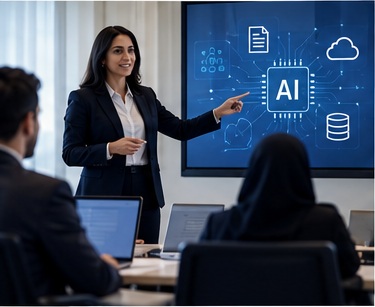
Build the Skills Your Organization Needs Next
Digital transformation succeeds when people have the knowledge, confidence, and practical skills to use technology effectively. Investing in your workforce helps your organization move beyond experimentation toward informed, productive, and responsible adoption.
DEROBS supports organizations seeking to upskill employees, strengthen management capabilities, improve digital workflows, and prepare teams to work confidently with AI and emerging technologies.
Whether your organization is introducing AI for the first time or improving the way existing systems are used, training can be designed around your workforce, operational context, and learning goals.
Training That Turns New Technology Into Business Capability
Explore training pathways that help your employees understand, apply, manage, and govern modern technologies. Programs can be discussed and tailored to your organization’s requirements, workforce roles, and learning objectives.

Digital Transformation & Modern Workplace Skills
Prepare employees and managers to understand digital transformation, improve technology-enabled workflows, and contribute to organizational change.
- Digital transformation concepts and strategies
- Digital literacy and technology adoption
- Process improvement and digital workflows
- Change readiness and workforce capability development
AI Literacy & Practical Applications
Help employees understand how AI works, where it can add value, how to use suitable tools, and when human judgment and verification remain essential.
- AI fundamentals and organizational use cases
- Generative AI and practical workplace applications
- Prompting, verification, and output evaluation
- Limitations, bias, reliability, and data considerations

AI Agents, Automation & Intelligent Workflows
Introduce teams to the opportunities and limitations of AI agents and automation, helping them identify repetitive tasks and evaluate potential workflow improvements.
- Identifying suitable automation opportunities
- AI agents and multi-step workflows
- Document and information-processing use cases
- Human oversight, testing, and process controls

AI Governance, Risk & Compliance Awareness
Strengthen employee and management awareness of AI governance, organizational accountability, regulatory considerations, and responsible technology management.
- AI governance principles and organizational roles
- Risk awareness and appropriate oversight
- Regulatory developments and compliance responsibilities
- Documentation, accountability, and internal policies
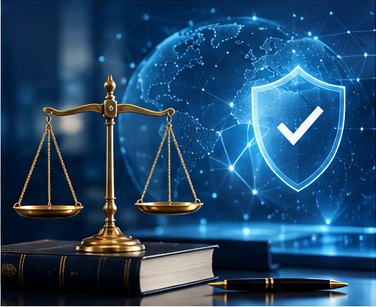
Ethical, Legal & Responsible AI Use
Help employees and decision-makers recognize the ethical, legal, and social implications of AI use and apply appropriate safeguards in their daily work.
- Responsible AI principles and ethical decision-making
- Privacy, confidentiality, and data protection awareness
- Bias, transparency, accountability, and human oversight
- Legal and regulatory awareness relevant to AI use

Digital Leadership & Organizational Readiness
Equip leaders and managers to assess digital capabilities, prioritize technology initiatives, support employees, and make informed decisions about organizational adoption.
- Digital strategy and organizational readiness
- AI adoption planning and use-case prioritization
- Workforce transformation and change management
- Technology investment and governance considerations
Turn Employee Learning Into Organizational Progress
Corporate training should do more than introduce new terminology or demonstrate new tools. It should help employees understand how technology relates to their responsibilities and how to apply what they learn in real work situations.
By aligning learning objectives with organizational priorities, companies can build a stronger foundation for digital adoption, more informed technology use, and better collaboration between technical teams, managers, and business functions.
Improve Productivity
Help teams identify opportunities to use technology more effectively.
Build Digital Capability
Develop skills that support ongoing organizational transformation.
Reduce Avoidable Risk
Improve awareness of privacy, security, governance, and responsible use.
Prepare Your Workforce
Help employees adapt to evolving technologies and work practices.
Train Your Teams to Use Technology Responsibly
As AI becomes part of everyday work, employees need to understand not only what technology can do, but also how it should be used, what risks to recognize, and when to seek review or approval.
DEROBS places ethical, legal, and responsible technology use within the broader conversation about digital skills and organizational readiness. Training requirements can be discussed in light of the organization’s sector, roles, policies, and applicable regulatory environment.
Training That Fits Your Teams, Roles, and Priorities
Different organizations have different skill gaps, operating environments, and learning objectives. Discuss a training approach that reflects your workforce and intended outcomes.
For Executives & Managers
Strategic awareness, AI adoption decisions, digital transformation, governance responsibilities, and organizational change readiness.
For Professional & Operational Teams
Practical AI use, workflow improvement, productivity applications, information handling, and responsible everyday technology use.
For Technical & Governance Teams
AI systems awareness, risk and compliance considerations, oversight, documentation, and responsible implementation practices relevant to team responsibilities.
Discuss your training requirements: Share your workforce profile, learning objectives, preferred delivery arrangements, and priority topics. The proposed scope, format, duration, and commercial terms can then be discussed according to your organization’s needs.
Move From Awareness to Practical Application
Effective technology training connects concepts to the tasks employees perform, the decisions managers make, and the challenges organizations face.
Depending on the agreed program, learning activities can incorporate practical examples, guided exercises, use-case discussions, scenario-based learning, and reflection on governance and responsible-use requirements.
The aim is to help participants build a stronger foundation for applying new knowledge in their roles, while recognizing the need for continued learning as technologies and organizational requirements evolve.
Ready to upskill your workforce? Tell us which technologies your employees need to understand, which capabilities your organization wants to develop, and what responsible adoption means in your operating context.
Prepare Your People for the Next Wave of Digital Transformation
Give your employees the skills to work with AI, understand emerging technologies, improve digital workflows, and apply technology with appropriate ethical, legal, and organizational awareness. Start a conversation about a corporate training program designed around your needs.