Category: Digital Infrastructure

  • Nexfibre contests CMA ruling on £2bn Netomnia acquisition

    Nexfibre contests CMA ruling on £2bn Netomnia acquisition

    <p>Nexfibre has formally rejected the findings of the UK's Competition and Markets Authority (CMA) regarding its planned £2 billion acquisition of Netomnia. The company has characterized the regulator's verdict as “fundamentally flawed.”</p><p>As part of its response to the regulatory review, Nexfibre has confirmed that it will not offer any remedies to the CMA to address the competition concerns raised by the authority. The acquisition, which involves significant investment in digital infrastructure, remains subject to regulatory scrutiny.</p>

    Source: Data Center Dynamics
    Original article: https://www.datacenterdynamics.com/en/news/nexfibre-rejects-fundamentally-flawed-cma-verdict-on-2bn-netomnia-acquisition/

  • Amazon commits €16 billion for German infrastructure expansion by 2027

    Amazon commits €16 billion for German infrastructure expansion by 2027

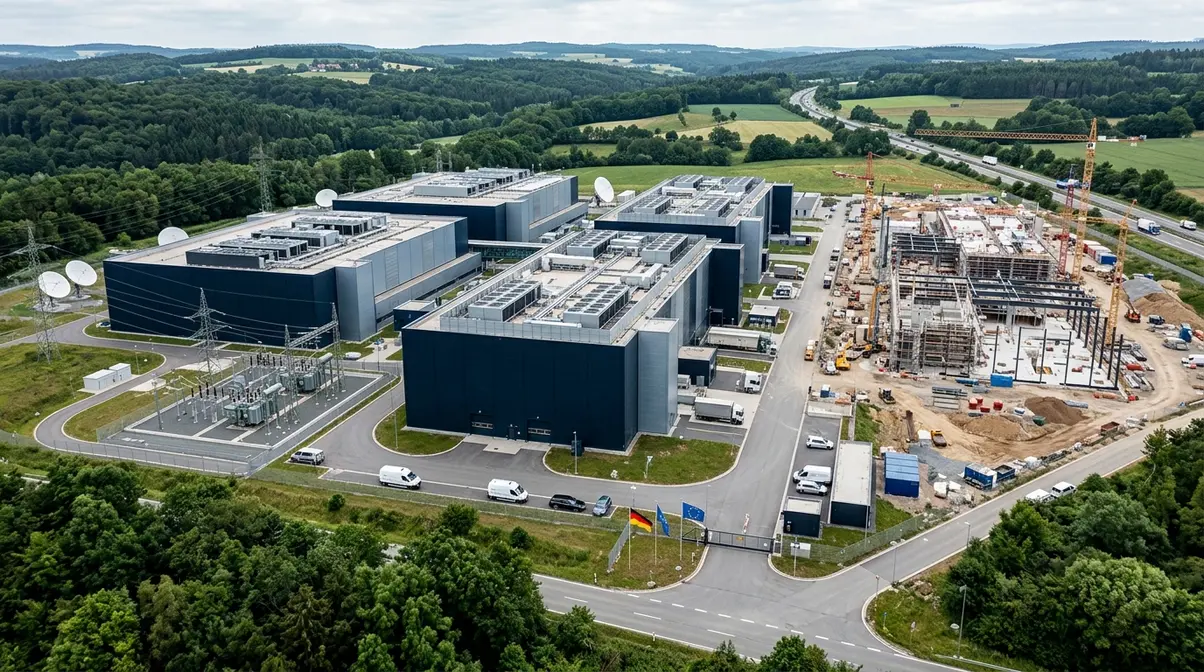
    <p>Amazon has announced a significant investment commitment of €16 billion in Germany, scheduled to be realized by 2027. This capital infusion is earmarked for the expansion of critical digital and physical infrastructure, aimed at strengthening the company's operational footprint in the region.</p><p>According to the company, the investment program will focus on several key areas, most notably the development of enhanced data centers and artificial intelligence infrastructure. These segments are central to the company’s broader strategy for supporting increased demand for cloud computing and advanced AI processing capabilities within the German market.</p><p>In addition to these digital infrastructure projects, the investment includes provisions for the expansion of high-speed satellite internet services. The initiative also covers significant upgrades to the company's logistics network, reflecting a continued commitment to broadening its fulfillment capabilities in the country.</p><p>The scale of this funding reflects a long-term strategic focus on Germany as a primary hub for digital transformation and technological advancement. While the announcement outlines the intended investment areas and the target timeline, further specific details regarding the allocation of funds across individual projects have not been provided.</p>

    Source: Data Center Dynamics
    Original article: https://www.datacenterdynamics.com/en/news/amazon-pledges-16bn-investment-in-germany-in-2027/

  • Copper theft leads to broadband outages in Thurnscoe

    Copper theft leads to broadband outages in Thurnscoe

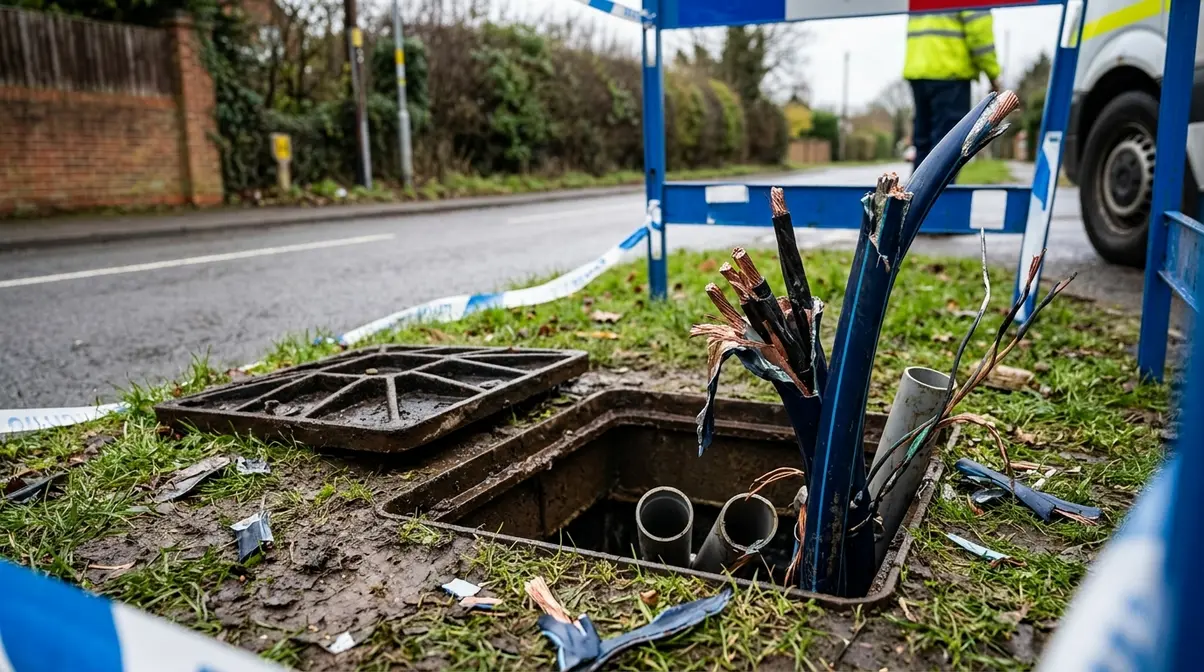
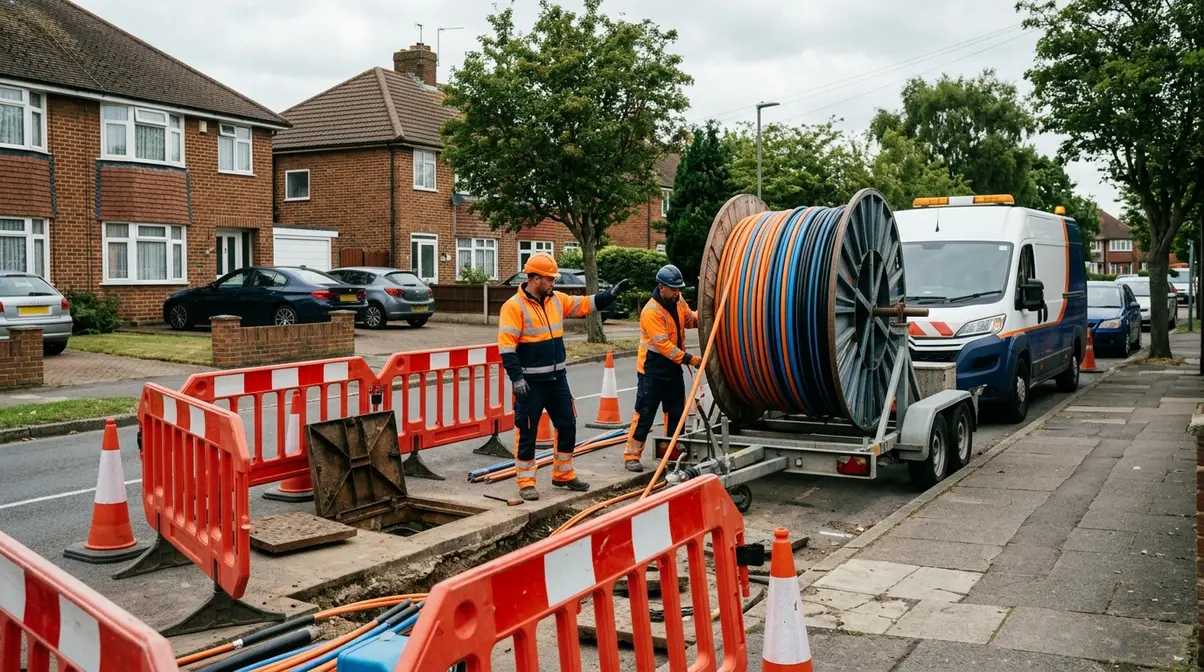
    <p>Thousands of residents in Thurnscoe, UK, have experienced a major broadband outage caused by the theft of telecommunications cables. The incident, which involved the removal of physical infrastructure, was reportedly motivated by the value of the copper contained within the lines.</p><p>Openreach, the network operator responsible for the affected infrastructure, confirmed that the theft has resulted in service disruptions for thousands of users in the area. Such incidents highlight the ongoing vulnerability of physical digital infrastructure to theft and the subsequent impact on local connectivity.</p>

    Source: Data Center Dynamics
    Original article: https://www.datacenterdynamics.com/en/news/cable-theft-causes-openreach-broadband-outage-for-thousands-in-thurnscoe-uk/

  • Orange phases out 2G network in France

    Orange phases out 2G network in France

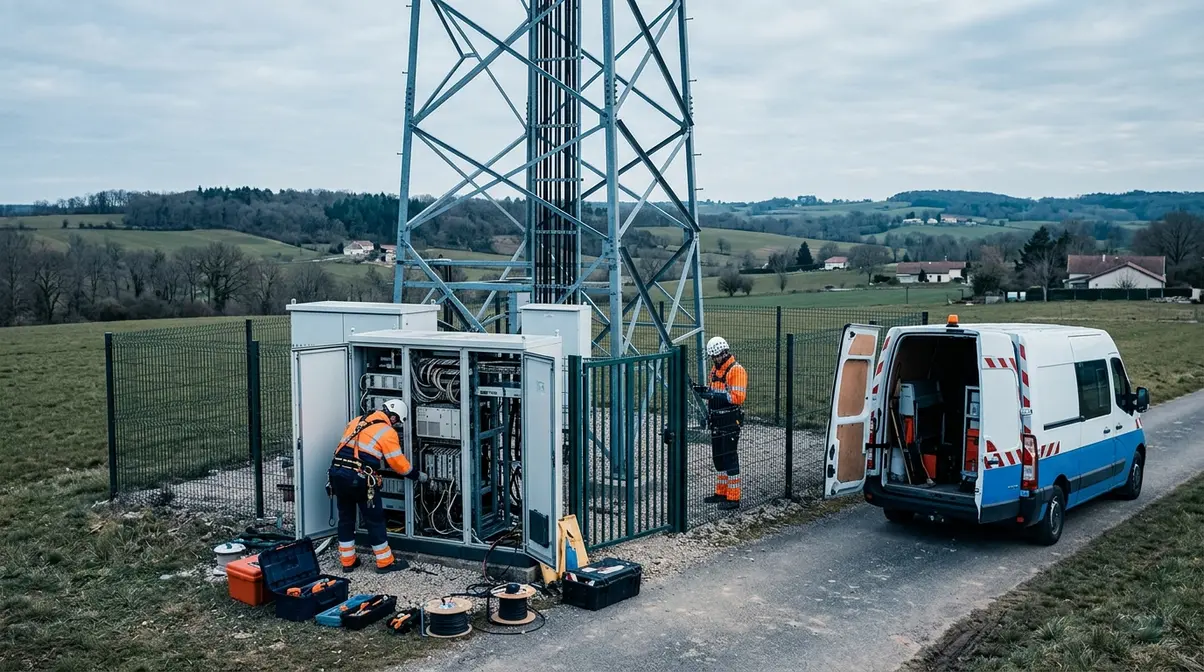
    <p>Orange has confirmed the retirement of its 2G network infrastructure in France. The move marks a shift in the company's operational focus, as it moves away from legacy standards to prioritize support for more modern telecommunications technologies.</p><p>By decommissioning the aging 2G network, Orange aims to concentrate its efforts and resources on current-generation infrastructure. This transition is part of a broader industry trend among major operators to sunset older cellular networks in order to optimize spectrum efficiency and reduce maintenance overhead.</p><p>While the company has indicated that its attention is shifting to modern technologies, no specific timeline for the final phase-out of all related services was detailed beyond the announcement that the 2G network is no longer part of its active focus.</p>

    Source: Data Center Dynamics
    Original article: https://www.datacenterdynamics.com/en/news/orange-says-au-revoir-to-2g-network-in-france/

  • Octave builds secure multi-tenant AI foundation on Amazon Bedrock

    Octave builds secure multi-tenant AI foundation on Amazon Bedrock

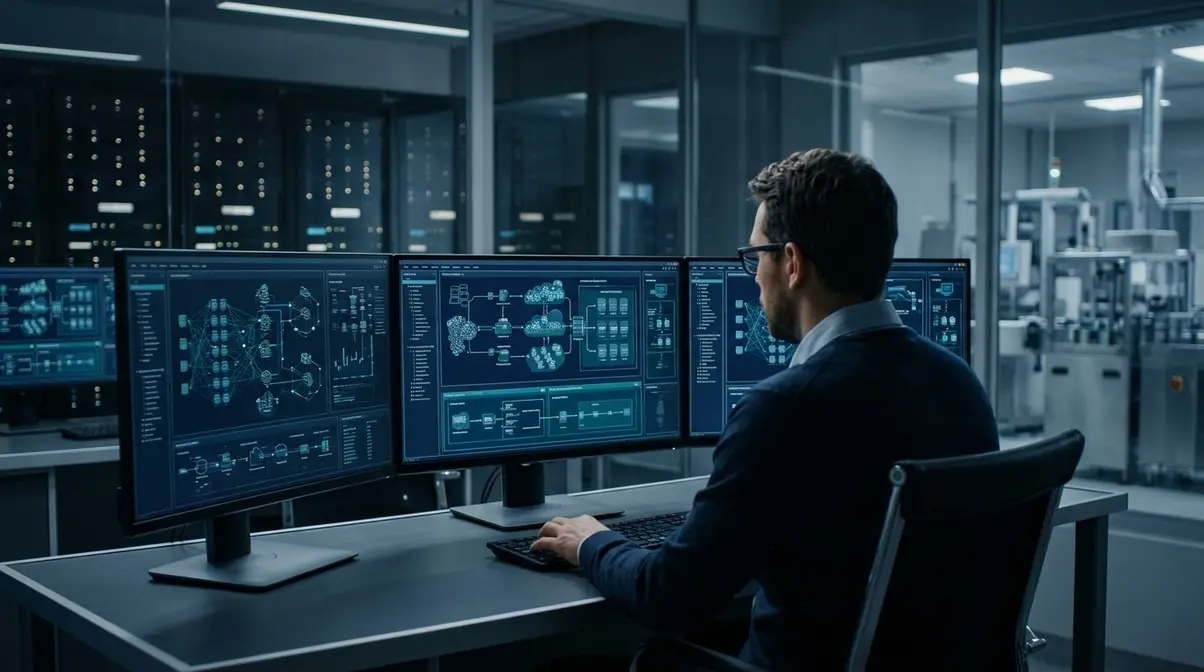
    <p>Octave, a provider of cloud-native quality management systems, has developed a specialized multi-tenant AI foundation to help enterprise customers analyze massive volumes of regulated data. Serving over 650 customers across the medical device, pharmaceutical, and food manufacturing sectors, Octave faced the critical requirement of ensuring that sensitive complaint records and audit findings remained strictly isolated between tenants.</p><p>Rather than deploying individual AI features in silos, the engineering team prioritized the construction of a horizontal platform designed to support future AI applications. This strategy, centered on Amazon Bedrock, reduced development cycles for new AI capabilities from months to weeks and cut deployment time per use case by approximately 50 percent, according to the company.</p><p>The architecture relies on a three-layer foundation. First, data preparation utilizes Cohere Embed v4 on Amazon Bedrock to index documents into per-tenant vector stores via Amazon OpenSearch Service. Second, the <em>AgentCore</em> runtime—a capability of Amazon Bedrock AgentCore—enforces hardware-level isolation by executing user requests in dedicated, sanitized microVMs. This approach ensures that data access remains tied to the specific user session rather than shared service roles. Finally, the system incorporates content protection through Amazon Bedrock Guardrails, which filter both input and output to mitigate risks such as prompt injection and unauthorized information disclosure.</p><p>To achieve the necessary throughput for onboarding large datasets, Octave implemented an event-driven pipeline capable of processing documents across diverse formats, including images, PDFs, and email threads. By leveraging the large context window of the embedding models and parallelizing processing via AWS Step Functions and Lambda, the company sustained a pipeline performance of 1.4 million documents per 24 hours per tenant.</p><p>The first production application built on this foundation, the Complaint Triage Assistant, has been in operation for three months. It automates the extraction and summarization of complex complaint records, allowing human quality handlers to focus on decision-making rather than manually searching through archives. Octave maintains that while the system surfaces context and institutional memory, human oversight remains a mandatory component of the quality management workflow.</p><p>The company plans to extend this infrastructure to support additional use cases, including audit readiness monitoring, incident narrative generation, and predictive quality risk scoring.</p>

    Source: aws.amazon.com
    Original article: https://aws.amazon.com/blogs/machine-learning/how-octave-built-a-secure-multi-tenant-ai-foundation-on-amazon-bedrock/

  • CBRE acquires data center services firm Onnec for $610 million

    CBRE acquires data center services firm Onnec for $610 million

    <p>Global real estate services and investment firm CBRE has acquired Onnec, a company specializing in data center services. The acquisition was completed for an initial purchase price of $610 million.</p><p>This strategic move integrates Onnec’s specialized data center capabilities into CBRE’s broader portfolio, further expanding the company's presence in the digital infrastructure market.</p>

    Source: Data Center Dynamics
    Original article: https://www.datacenterdynamics.com/en/news/cbre-acquires-data-center-services-firm-onnec/

  • Enhancing fire safety in lithium-ion battery energy storage systems

    Enhancing fire safety in lithium-ion battery energy storage systems

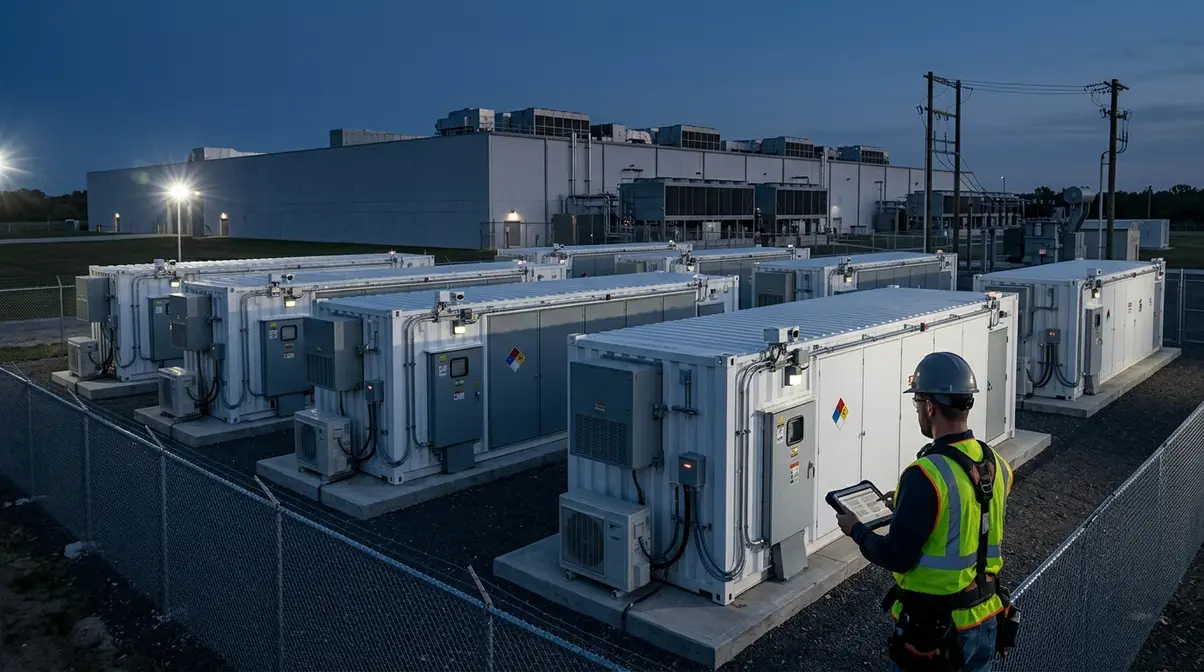
    <p>As the deployment of lithium-ion battery energy storage systems (BESS) scales to support digital infrastructure, fire safety remains a primary concern for operators. Recent industry guidance highlights how updated safety standards and the integration of early off-gas detection technologies are essential for maintaining operational compliance and protecting physical assets.</p><p>A critical focus in modern BESS safety is the prevention of thermal runaway—a condition where a cell enters an uncontrollable, self-heating state. Industry experts emphasize that early detection of off-gassing, which occurs before a visible fire or explosion, provides a vital window for intervention. By identifying these chemical precursors, site operators can initiate safety protocols to mitigate risks before a system failure escalates.</p><p>Adherence to evolving fire safety standards is increasingly necessary for regulatory compliance and risk management. These standards outline the technical requirements for site design, monitoring, and emergency response, providing a framework for operators to navigate the safety complexities of large-scale battery deployments.</p><p>For the digital economy, where reliable power is non-negotiable, integrating these advanced detection systems is becoming a best practice for digital infrastructure projects. Ensuring compliance with current safety benchmarks helps organizations safeguard their continuity while meeting increasingly stringent industry mandates.</p>

    Source: Data Center Dynamics
    Original article: https://www.datacenterdynamics.com/en/whitepapers/the-ultimate-guide-to-li-ion-bess-fire-safety-standards/

  • Addressing the workforce challenge in the data center industry

    Addressing the workforce challenge in the data center industry

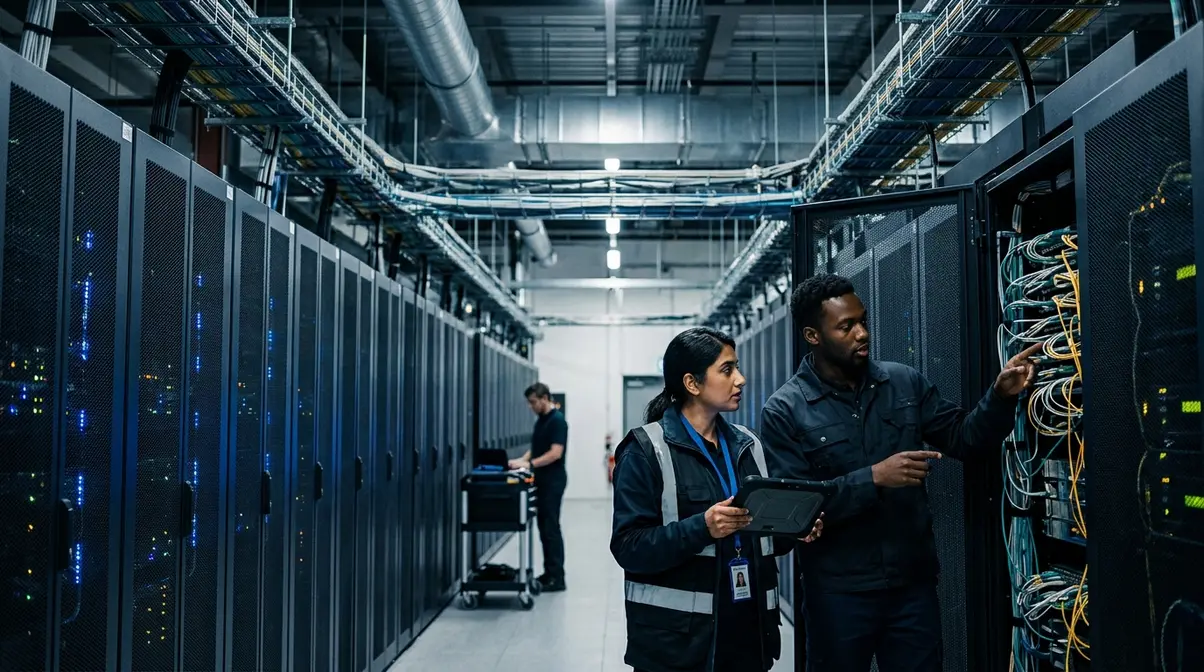
    <p>In a recent episode of DCD Studio, Andy Davis of Data eXec joined Seb Moss to discuss the evolving human capital requirements of the data center sector. As the industry undergoes a period of rapid growth, the pressure to maintain a high-quality, sustainable, and diverse workforce has become a primary operational priority.</p><p>The discussion emphasized that successful talent acquisition and retention in the data center space require more than traditional hiring methods. Organizations are increasingly tasked with developing inclusive corporate cultures that can attract a broader pool of talent to meet the sophisticated technical demands of modern infrastructure.</p><p>Davis highlighted that building an inclusive and sustainable culture is essential for navigating the current industry expansion. By prioritizing these elements, firms aim to better manage the challenges associated with scaling operations and ensuring long-term staff stability in a highly competitive market.</p>

    Source: Data Center Dynamics
    Original article: https://www.datacenterdynamics.com/en/videos/dcd-studio-the-data-center-workforce-challenge-with-andy-davis-data-exec/

  • Developer proposes conversion of hotel basement into Lancashire data center

    Developer proposes conversion of hotel basement into Lancashire data center

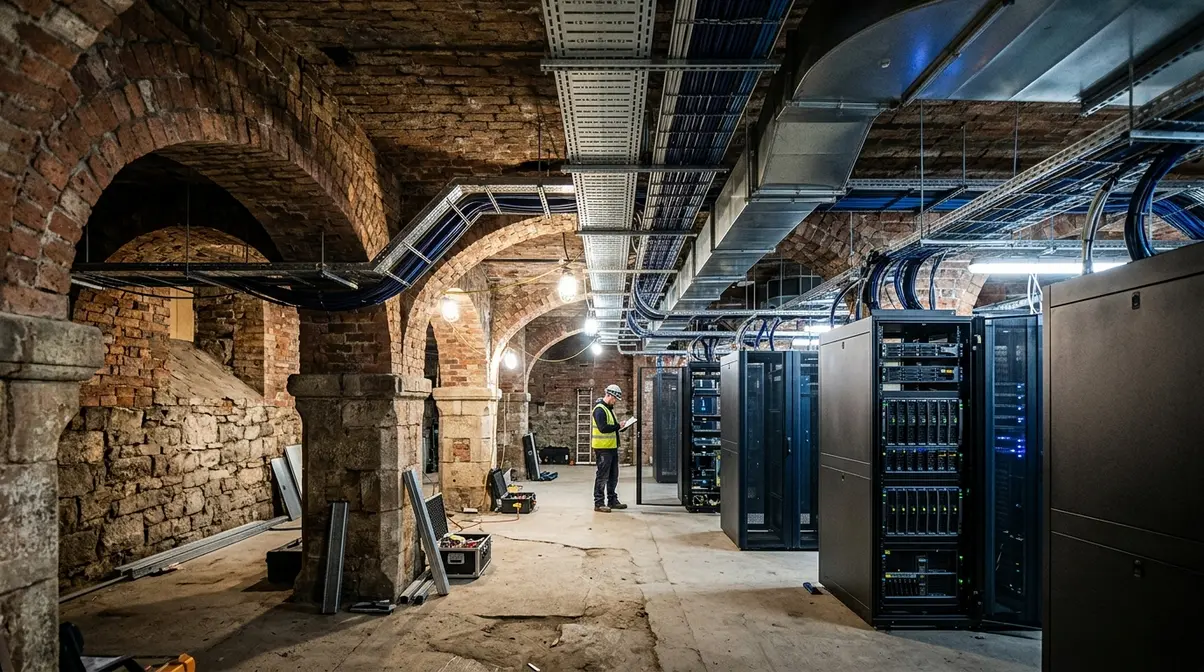
    <p>A development project in Lancashire, UK, seeks to repurpose the basement of a 66-year-old hotel into a data center facility. The proposed site, characterized by its age and current hospitality use, is slated for a structural renovation to accommodate the requirements of digital infrastructure.</p><p>As the demand for localized computing capacity grows, developers are increasingly exploring adaptive reuse projects for existing structures. While the conversion of older buildings presents unique logistical and structural challenges, such projects reflect broader trends in the densification of digital infrastructure within established urban and semi-urban environments.</p><p>Further details regarding the project's technical specifications, timeline, or planning approvals were not immediately available beyond the reported intent to utilize the basement space for data operations.</p>

    Source: Data Center Dynamics
    Original article: https://www.datacenterdynamics.com/en/news/developer-looks-to-convert-hotel-basement-into-data-center-in-lancashire-uk/

  • Enersense and Betolar join forces to develop security solutions for Baltic infrastructure

    Enersense and Betolar join forces to develop security solutions for Baltic infrastructure

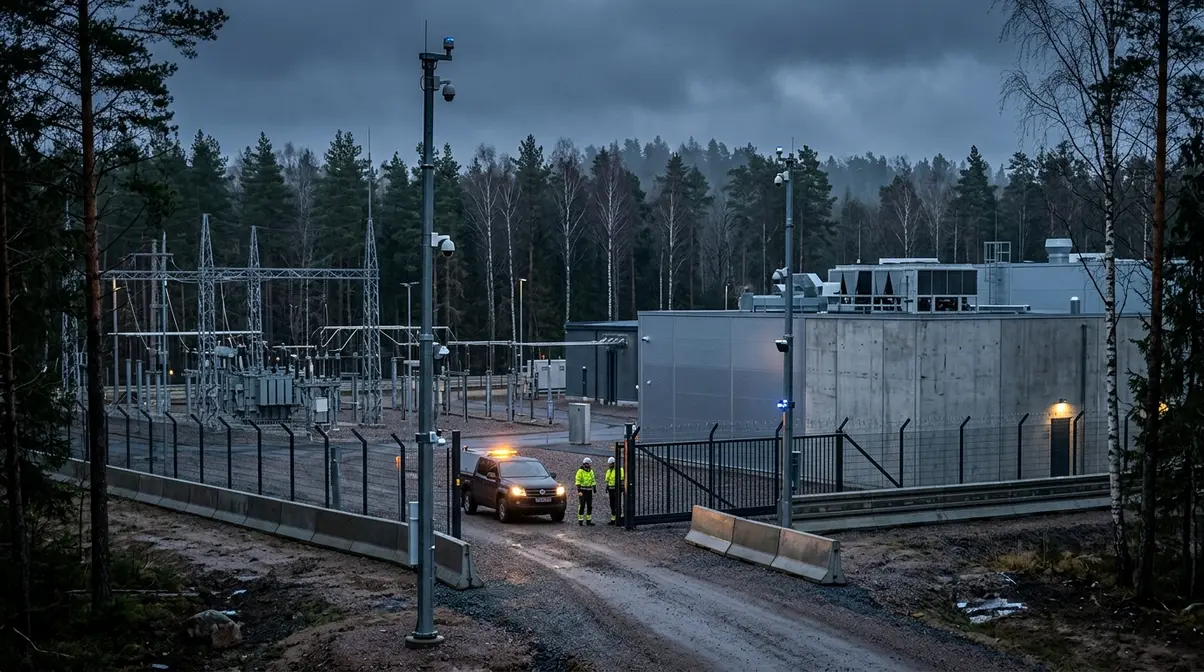
    <p>Finnish companies Enersense and Betolar Oyj have announced a partnership aimed at developing security solutions for critical infrastructure, including electrical substations and data centers. The initiative will focus on deploying these solutions across the Baltic region.</p><p>The collaboration targets grid and industrial customers, addressing the growing need for enhanced security measures for vital digital and energy assets. By leveraging their respective expertise, the two firms intend to provide specialized protective infrastructure tailored to the operational demands of the Baltic market.</p><p>Further technical specifications and project timelines have not been publicly detailed at this stage.</p>

    Source: Data Center Dynamics
    Original article: https://www.datacenterdynamics.com/en/news/enersense-and-betolar-oyj-to-develop-security-solutions-for-substations-and-data-centers-across-the-baltics/