Category: Digital Infrastructure

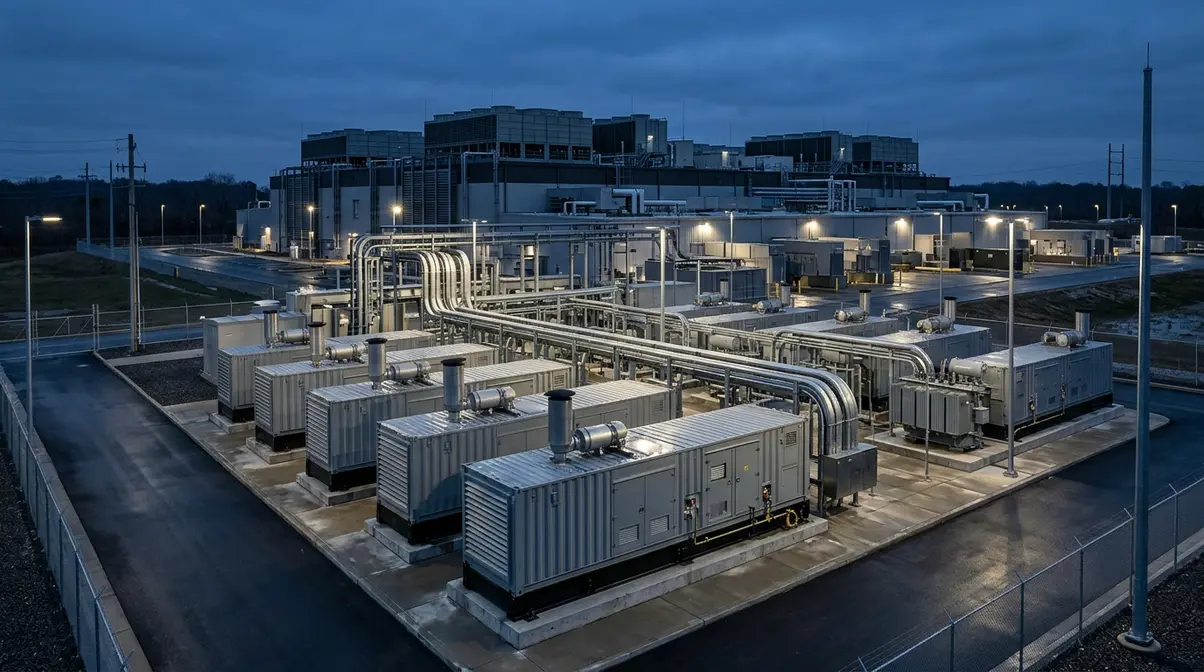
  • Advancing flexibility in data center backup power systems

    Advancing flexibility in data center backup power systems

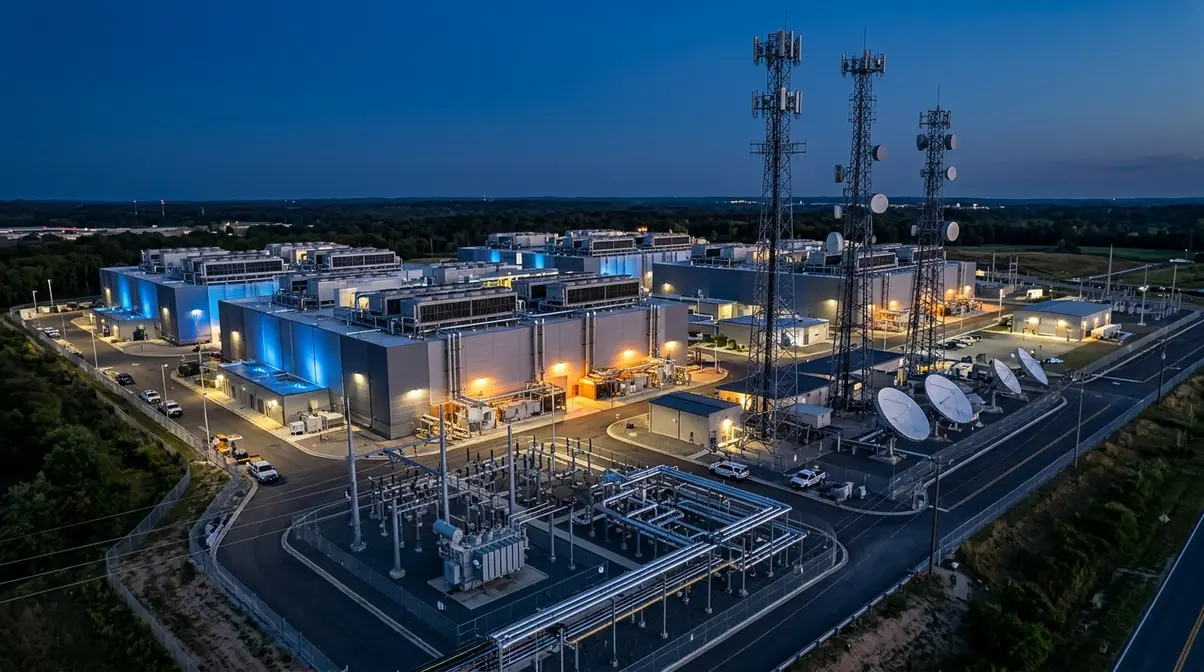
    As data centers continue to scale to meet increasing demand, the design and management of backup power systems are undergoing a shift toward greater operational flexibility. Industry discussions suggest that modernizing these systems requires looking beyond traditional configurations and focusing on the capability to adapt from the engine level up.

    Building flexibility into the foundation of power infrastructure allows facilities to better manage energy loads and respond to the demands of high-density computing environments. By prioritizing adaptable engine architecture, operators aim to enhance system resilience while maintaining the reliability required for critical digital infrastructure.

    Source: Data Center Dynamics
    Original article: https://www.datacenterdynamics.com/en/opinions/the-next-evolution-of-data-center-backup-power/

  • Verizon secures $2 billion AI infrastructure agreement with AWS

    Verizon secures $2 billion AI infrastructure agreement with AWS

    Verizon has entered into a $2 billion agreement with Amazon Web Services (AWS) to bolster its AI infrastructure capabilities. The investment underscores the telecommunications provider’s strategic focus on integrating advanced cloud and artificial intelligence systems into its operations.

    The announcement follows the company’s recent disclosure of strong third-quarter financial earnings, signaling a period of robust growth and capital allocation toward digital transformation. While specific technical milestones of the partnership were not disclosed in the initial report, the deal represents a significant commitment to scaling AI-ready infrastructure.

    Source: Data Center Dynamics
    Original article: https://www.datacenterdynamics.com/en/news/verizon-signs-2bn-aws-ai-infrastructure-deal/

  • Scaling enterprise agentic retrieval with Amazon Bedrock and AWS CDK

    Scaling enterprise agentic retrieval with Amazon Bedrock and AWS CDK

    Recent advancements in generative AI infrastructure have introduced enterprise-grade agentic retrieval capabilities within Amazon Bedrock. Unlike traditional, single-shot Retrieval Augmented Generation (RAG) systems, which perform one retrieval and one generation, these agentic architectures utilize reasoning agents to iteratively plan and retrieve information as needed. This approach addresses common RAG limitations, such as handling multi-corpus queries or questions requiring refinement after an initial look.

    The shift to Managed Knowledge Bases

    Amazon Bedrock now provides Managed Knowledge Bases (Type: MANAGED), which automate the ingestion, storage, indexing, and retrieval processes. This eliminates the need for users to manually provision, scale, or maintain vector databases. By using the AgenticRetrieveStream API, developers can access first-class agentic capabilities, including multi-turn planning and tool-driven retrieval. This managed approach integrates with the AgentCore Gateway, which exposes knowledge bases as Model Context Protocol (MCP) tools for the agent to consult.

    Observability and evaluation as core requirements

    As agentic systems introduce complex, loop-based reasoning, traditional debugging methods become insufficient. To address this, the current deployment model incorporates comprehensive observability and evaluation directly into the infrastructure. By utilizing the AWS Cloud Development Kit (AWS CDK), developers can provision a complete solution that includes two Amazon CloudWatch dashboards and seven layers of telemetry, covering areas such as ingestion metrics, token usage, retrieval quality, and evaluation scores.

    Infrastructure as code with AWS CDK

    Using AWS CDK for this architecture simplifies the management of interconnected stacks. The system consists of four distinct stacks—managing knowledge bases, gateways, agents, and observability dashboards—that are cross-referenced to derive a deployment sequence automatically. This approach replaces manual export/import bookkeeping, reducing the risk of configuration drift and ensuring that complex systems remain maintainable.

    Evaluation is supported through both on-demand and continuous paths. The system enables automated scoring using built-in evaluators—such as faithfulness, correctness, and tool-selection accuracy—which provide continuous feedback on the agent’s performance. These evaluations are essential for maintaining groundedness and auditability in enterprise applications, ensuring that synthesized answers can always be traced back to their source passages.

    Source: aws.amazon.com
    Original article: https://aws.amazon.com/blogs/machine-learning/build-agentic-retrieval-on-a-managed-amazon-bedrock-knowledge-base-with-cdk/

  • Cadence opens new Nvidia-powered AI data center in Munich

    Cadence opens new Nvidia-powered AI data center in Munich

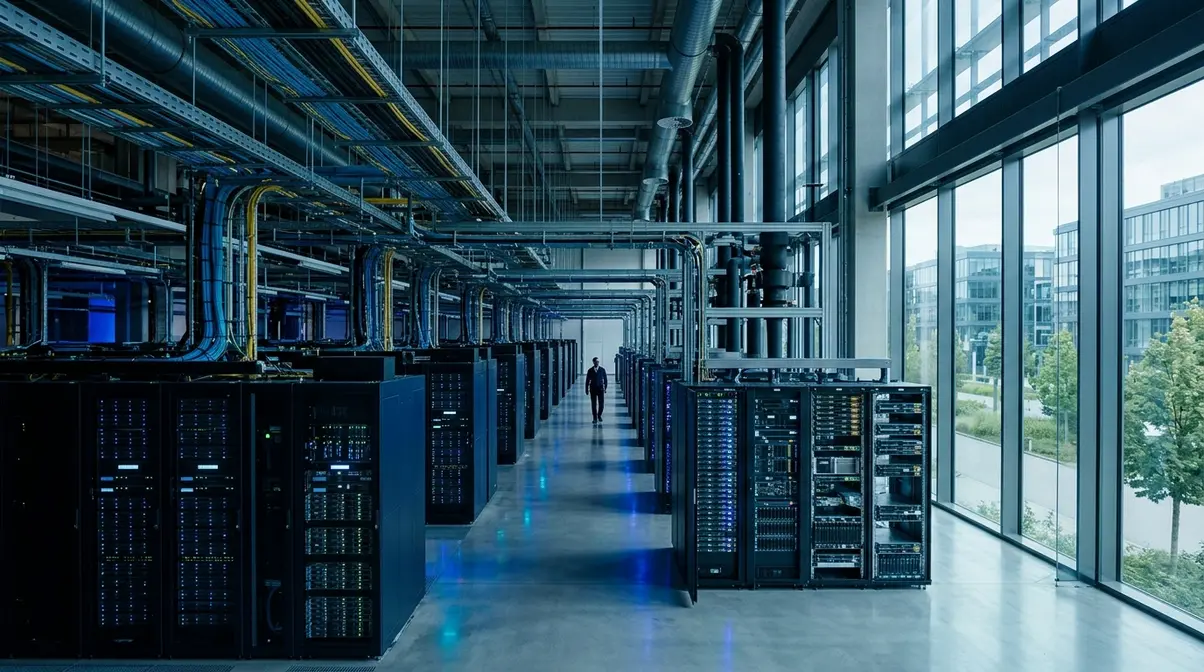
    Cadence has announced the opening of a new AI-focused data center located in Munich, Germany. The facility is equipped with Nvidia technology to enhance the company’s computing capabilities for complex technical workloads.

    According to the company, the primary purpose of the new infrastructure is to support electronic design automation (EDA) and simulation processes. In addition to these internal research and development functions, the data center is intended to provide sovereign AI cloud services.

    The integration of Nvidia hardware into this Munich-based facility marks a strategic effort by Cadence to strengthen its local infrastructure footprint while addressing the increasing industry demand for specialized, high-performance computing resources capable of handling sophisticated AI and simulation tasks.

    Source: Data Center Dynamics
    Original article: https://www.datacenterdynamics.com/en/news/cadence-unveils-nvidia-powered-ai-data-center-in-munich-germany/

  • Ecoblox and Rimac announce modular data center collaboration

    Ecoblox and Rimac announce modular data center collaboration

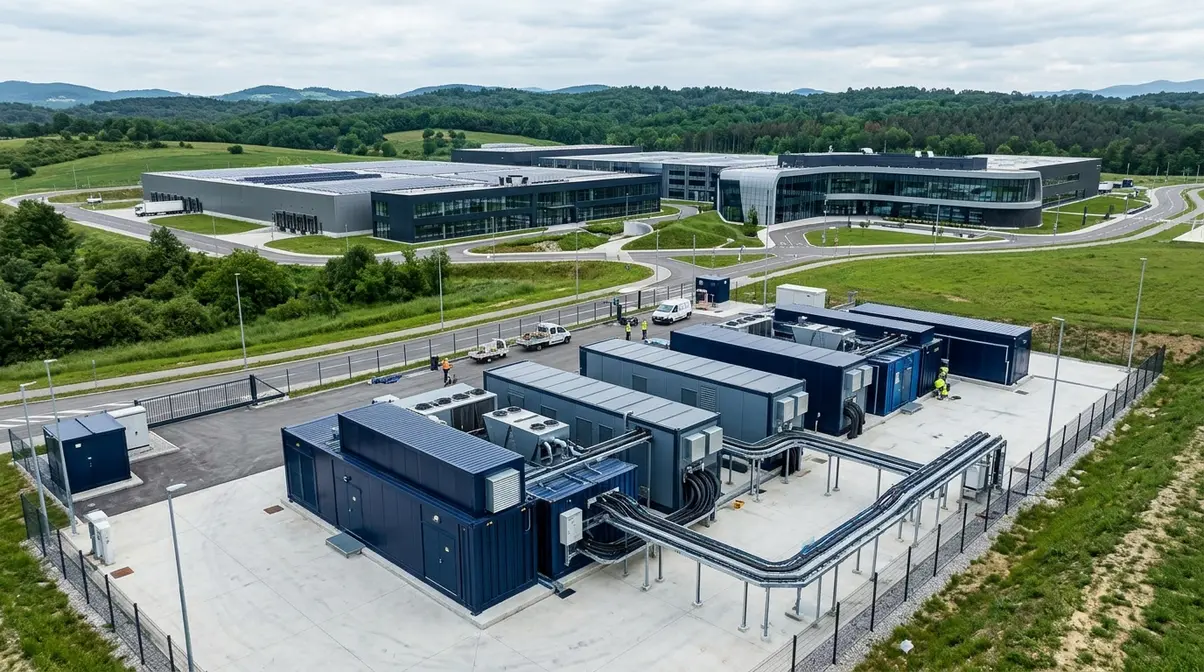
    Ecoblox has entered into a partnership with Rimac to develop and deploy a modular data center solution. The collaboration aims to leverage modular architecture to support evolving infrastructure needs.

    As part of the initial project phase, the companies have scheduled the first deployment of this modular system at Rimac’s campus located in Kerestinec, Croatia.

    No further technical specifications or project timelines were provided in the initial announcement.

    Source: Data Center Dynamics
    Original article: https://www.datacenterdynamics.com/en/news/ecoblox-partners-with-rimac-on-modular-data-center-solution/

  • Local authorities seek two suspects following repeated thefts at Culpeper data center site

    Local authorities seek two suspects following repeated thefts at Culpeper data center site

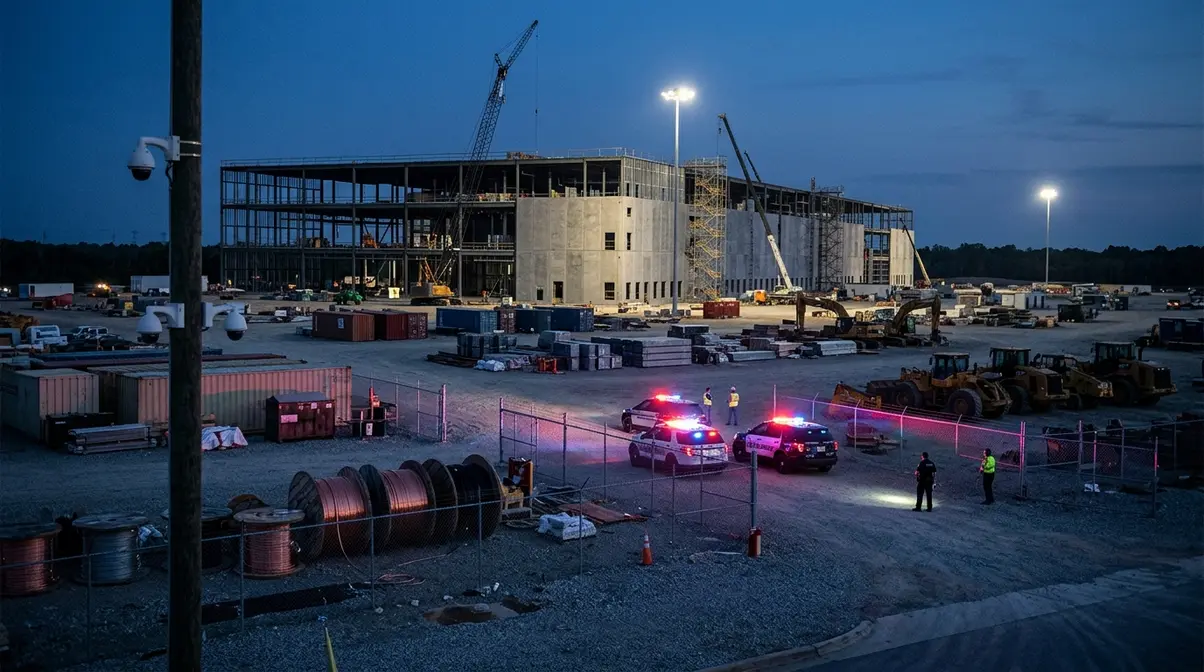
    Authorities in Culpeper are currently investigating a series of security incidents at a local data center construction site. According to reports, the site has been the target of multiple thefts involving copper and various construction tools.

    Local sheriffs have released information regarding two masked individuals currently identified as suspects in connection with these recurring incidents. No further details regarding the extent of the losses or specific security measures at the site were provided in the initial reports.

    Source: Data Center Dynamics
    Original article: https://www.datacenterdynamics.com/en/news/thieves-repeatedly-steal-copper-and-tools-from-culpeper-data-center-construction-site/

  • G42 signs memorandum of understanding for AI infrastructure in Greece

    G42 signs memorandum of understanding for AI infrastructure in Greece

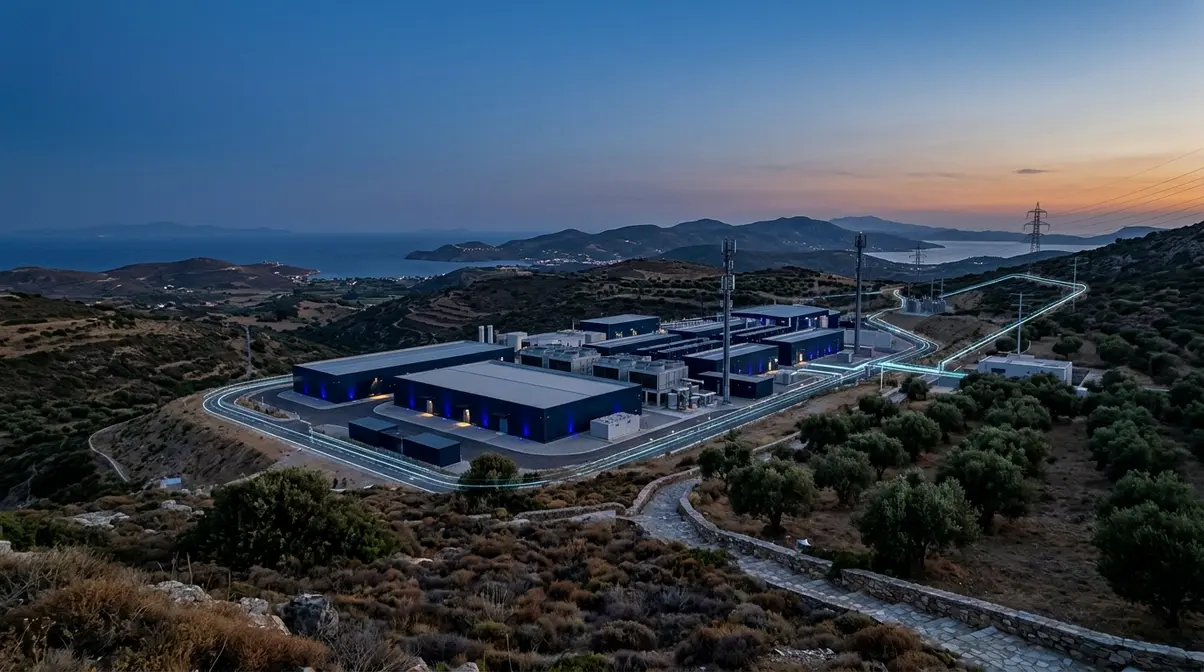
    The United Arab Emirates-based technology firm G42 has formalized an agreement with the Greek infrastructure investor Copelouzos Group. The two companies have signed a memorandum of understanding (MoU) focused on the development of artificial intelligence infrastructure.

    As of the current reporting, specific details regarding the financial scale, location, or technical specifications of the planned infrastructure remain limited. The collaboration marks a strategic connection between the UAE-based AI developer and the Greek investment firm, which holds significant interests in the regional infrastructure sector.

    The announcement indicates a developing interest in establishing specialized digital foundations to support AI deployment within the Greek market. Further details concerning the project roadmap or implementation timeline have not yet been disclosed.

    Source: Data Center Dynamics
    Original article: https://www.datacenterdynamics.com/en/news/g42-signs-mou-for-ai-infrastructure-in-greece/

  • Google ordered to halt work on Finnish data centers following land clearing controversy

    Google ordered to halt work on Finnish data centers following land clearing controversy

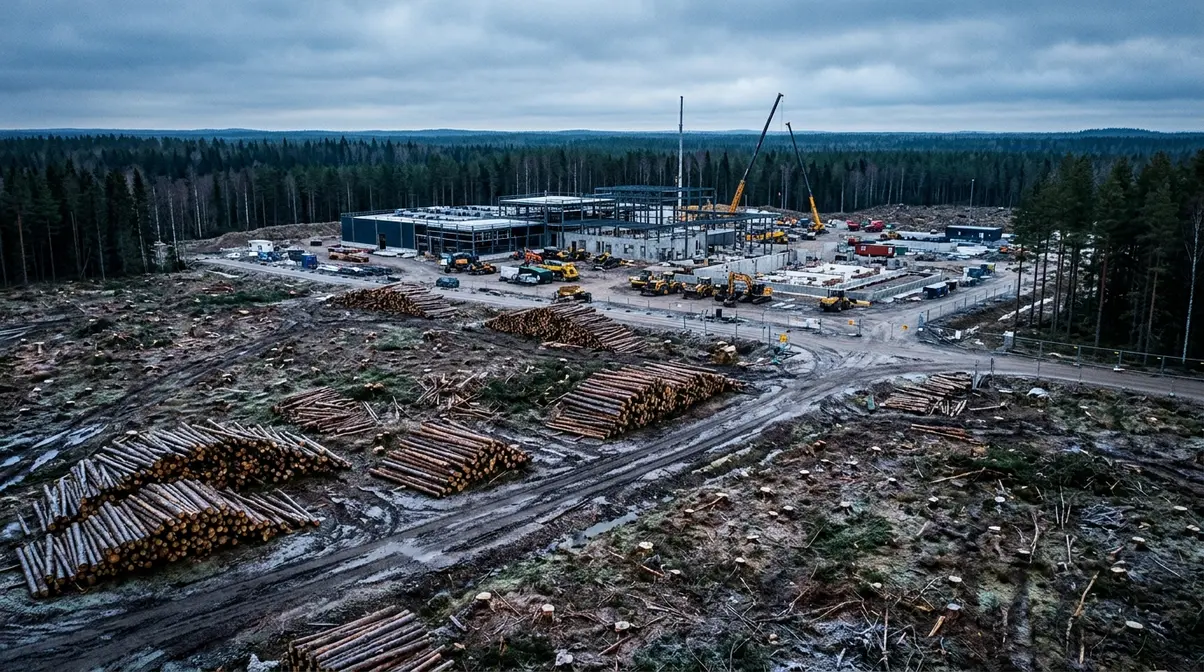
    Google has been ordered to suspend construction work at two of its data center sites in Finland, following public and regulatory scrutiny over land preparation activities. The directive follows concerns raised by the clearing of approximately 250,000 trees at the company’s planned facility in Muhos.

    As digital infrastructure projects continue to expand globally to support increasing demand for cloud and AI services, companies face heightened scrutiny regarding their environmental footprint and local site management. The suspension in Finland highlights the growing tension between the rapid development of large-scale digital infrastructure and environmental preservation efforts.

    The company must now navigate regulatory requirements to address the concerns related to the land clearing process before operations can resume at the affected sites. No further details regarding the expected duration of the suspension or specific mitigation measures were immediately available.

    Source: Data Center Dynamics
    Original article: https://www.datacenterdynamics.com/en/news/google-ordered-to-suspend-site-work-at-two-data-centers-in-finland-following-tree-clearing-controversy/

  • Schneider Electric executive discusses the evolution of modern data centers

    Schneider Electric executive discusses the evolution of modern data centers

    In a recent session of DCD Studio, Jim Simonelli of Schneider Electric detailed the current evolution of the data center industry. The discussion highlighted several core technologies and strategies considered essential for supporting the next generation of digital infrastructure.

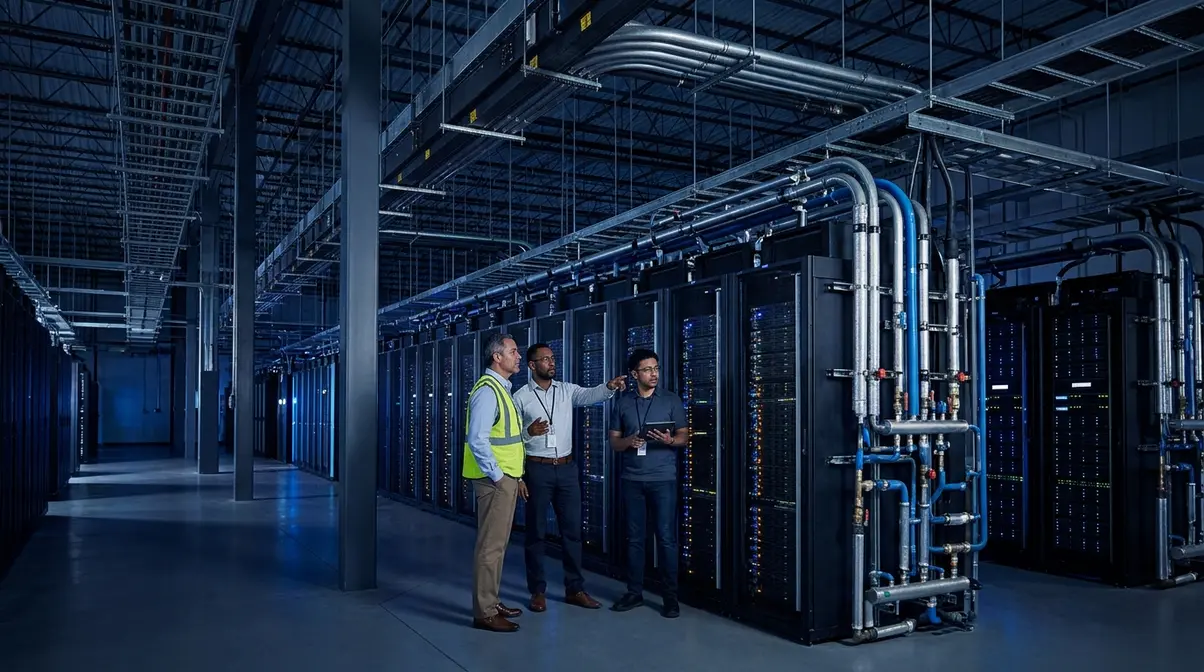
    Simonelli pointed to the integration of liquid cooling and 800-volt power systems as foundational technical shifts necessary for modern facilities. These advancements are increasingly required to manage the thermal and power demands of modern high-performance computing environments.

    The discussion also addressed the adoption of AI-driven design processes and the move toward prefabricated construction methods. These approaches are being utilized to increase speed to market and optimize infrastructure deployment. Furthermore, the role of strategic partnerships was emphasized as a critical component in navigating the complexities of modern data center development.

    Source: Data Center Dynamics
    Original article: https://www.datacenterdynamics.com/en/videos/dcd-studio-the-future-of-data-centers-with-jim-simonelli-schneider-electric/

  • Emerald AI’s Varun Sivaram on the intersection of data centers and grid energy

    Emerald AI’s Varun Sivaram on the intersection of data centers and grid energy

    In a recent feature by Data Center Dynamics, Varun Sivaram of Emerald AI explored the intersection of rapidly scaling artificial intelligence infrastructure and the limitations of current power grid capacities. The discussion focuses on the critical need to manage AI’s energy footprint effectively as data centers become significant nodes of national and regional power networks.

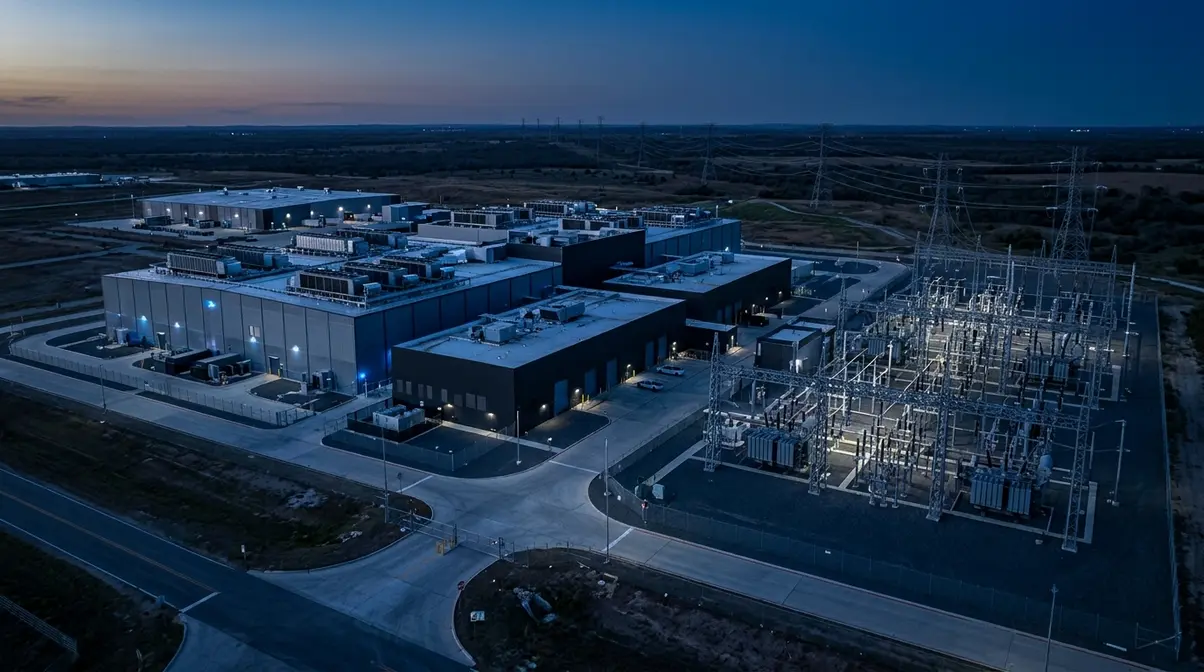
    Sivaram highlighted a strategy to transform data centers from traditional energy consumers into flexible grid assets. By integrating advanced energy management capabilities, these facilities could potentially offer greater stability to the power grid, helping to balance supply and demand fluctuations caused by the surge in AI-related processing requirements.

    The conversation also touched upon the role of regulatory frameworks in facilitating this transition. Sivaram emphasized the importance of policy support for the AI Energy Management Alliance, a collaborative effort aimed at addressing the systemic power challenges posed by large-scale artificial intelligence deployments. The industry’s ability to coordinate across regulatory and technical fronts remains a key area of focus for operators looking to scale their infrastructure sustainably.

    Source: Data Center Dynamics
    Original article: https://www.datacenterdynamics.com/en/videos/dcd-studio-ais-power-problem-with-varun-sivaram-emerald-ai/