Author: DEROBS

  • Google ordered to halt work on Finnish data centers following land clearing controversy

    Google ordered to halt work on Finnish data centers following land clearing controversy

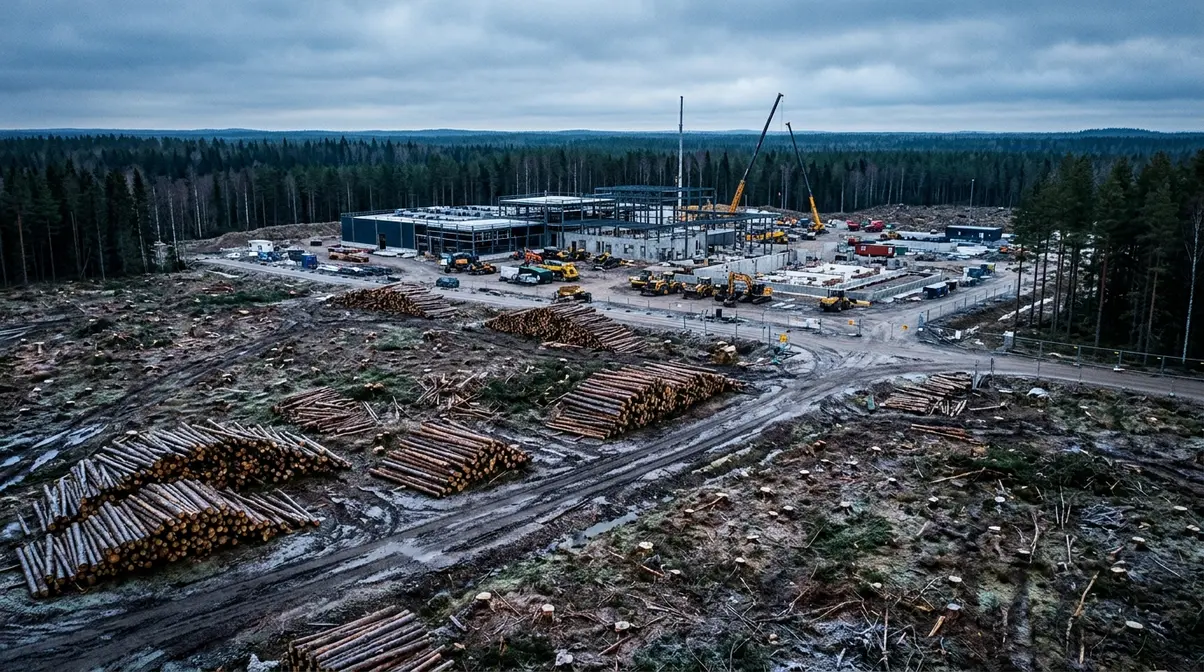
    Google has been ordered to suspend construction work at two of its data center sites in Finland, following public and regulatory scrutiny over land preparation activities. The directive follows concerns raised by the clearing of approximately 250,000 trees at the company’s planned facility in Muhos.

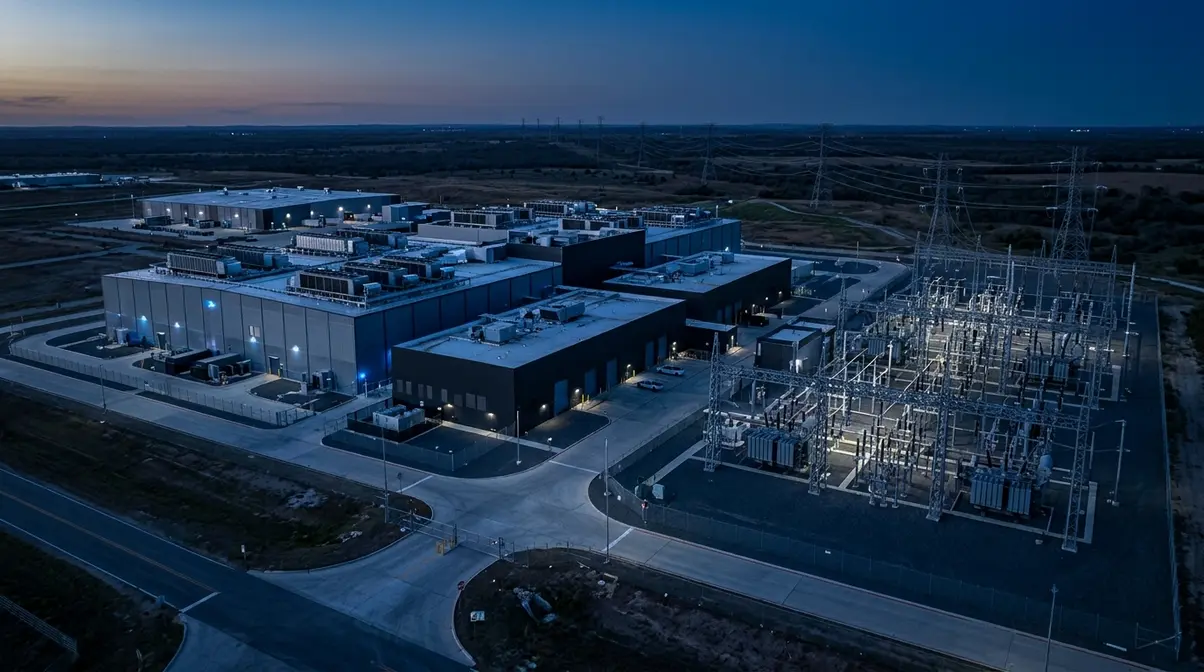
    As digital infrastructure projects continue to expand globally to support increasing demand for cloud and AI services, companies face heightened scrutiny regarding their environmental footprint and local site management. The suspension in Finland highlights the growing tension between the rapid development of large-scale digital infrastructure and environmental preservation efforts.

    The company must now navigate regulatory requirements to address the concerns related to the land clearing process before operations can resume at the affected sites. No further details regarding the expected duration of the suspension or specific mitigation measures were immediately available.

    Source: Data Center Dynamics
    Original article: https://www.datacenterdynamics.com/en/news/google-ordered-to-suspend-site-work-at-two-data-centers-in-finland-following-tree-clearing-controversy/
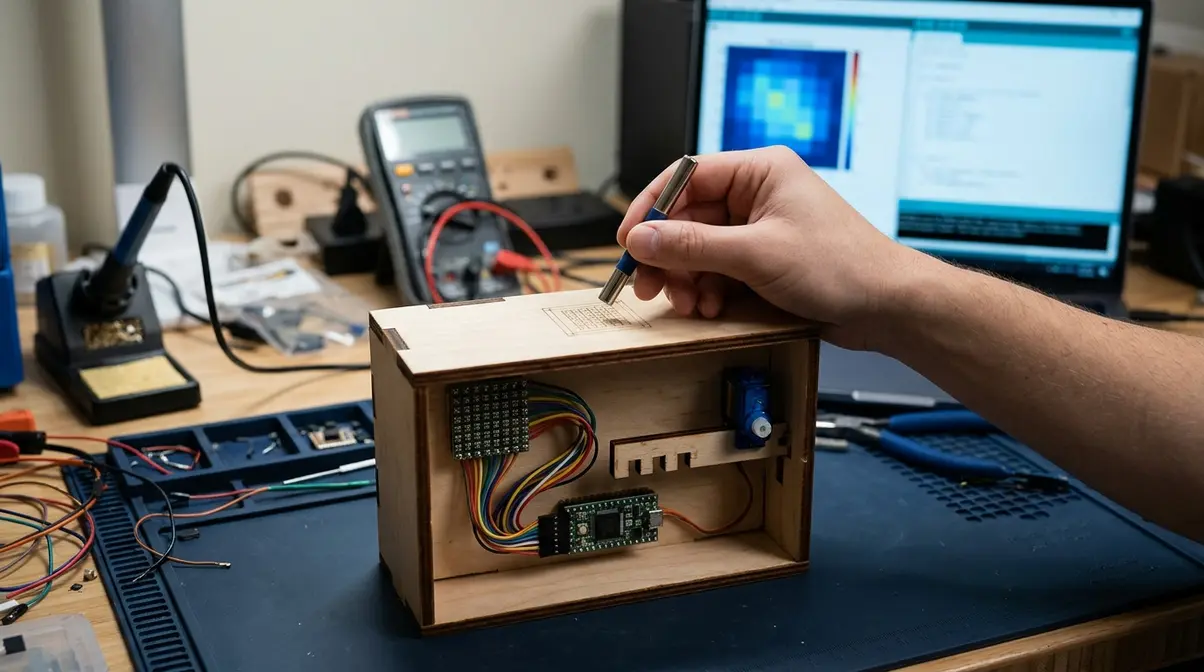

  • Enhancing physical security with programmable magnetic imaging

    Enhancing physical security with programmable magnetic imaging

    A recent project has explored the use of magnetic imaging technology to create a sophisticated, concealed lock mechanism. By utilizing an 8-by-8 grid of Hall-effect sensors—specifically a magnetic imaging tile designed by SparkFun—a developer was able to create a system that unlocks only when a specific, programmable magnetic gesture is performed over the sensor area.

    Technology and implementation

    The system relies on the tile’s ability to detect both the polarity and magnitude of a magnetic field at a high sampling rate, allowing it to capture the motion of a handheld magnet. A Teensy 4.1 microcontroller processes the input data from the SPI interface. To create the gesture-recognition capability, custom support libraries were developed to record specific motions and save them to nonvolatile storage, comparing subsequent inputs against a selectable threshold for authentication.

    The physical locking mechanism consists of a wooden box modified to include a servo motor and a notched beam, which acts as the physical catch. To navigate the small sensing area—approximately 3 centimeters square—the creator used a visual reference pattern on the exterior of the box, ensuring that repeatable gestures could be accurately registered by the sensors hidden beneath the surface.

    Security considerations

    One primary advantage of this approach is the potential for improved physical obfuscation. Unlike traditional RFID systems, which emit signals that can be detected externally, a magnetic sensor system can be shielded behind materials like copper sheeting, which functions as a Faraday cage. This prevents unauthorized detection of the lock’s location using electromagnetic field meters.

    However, the current iteration presents practical challenges for real-world deployment. The system lacks a fail-safe mechanism, meaning that if the internal battery pack were to deplete while the box is locked, the enclosure would be difficult to open without damage. Future improvements to such designs could include hidden inductive charging coils to maintain power levels. This proof-of-concept highlights how affordable sensor grids and microcontrollers are enabling more creative, DIY approaches to physical security and access control.

    Source: IEEE Spectrum
    Original article: https://spectrum.ieee.org/magnetic

  • Schneider Electric executive discusses the evolution of modern data centers

    Schneider Electric executive discusses the evolution of modern data centers

    In a recent session of DCD Studio, Jim Simonelli of Schneider Electric detailed the current evolution of the data center industry. The discussion highlighted several core technologies and strategies considered essential for supporting the next generation of digital infrastructure.

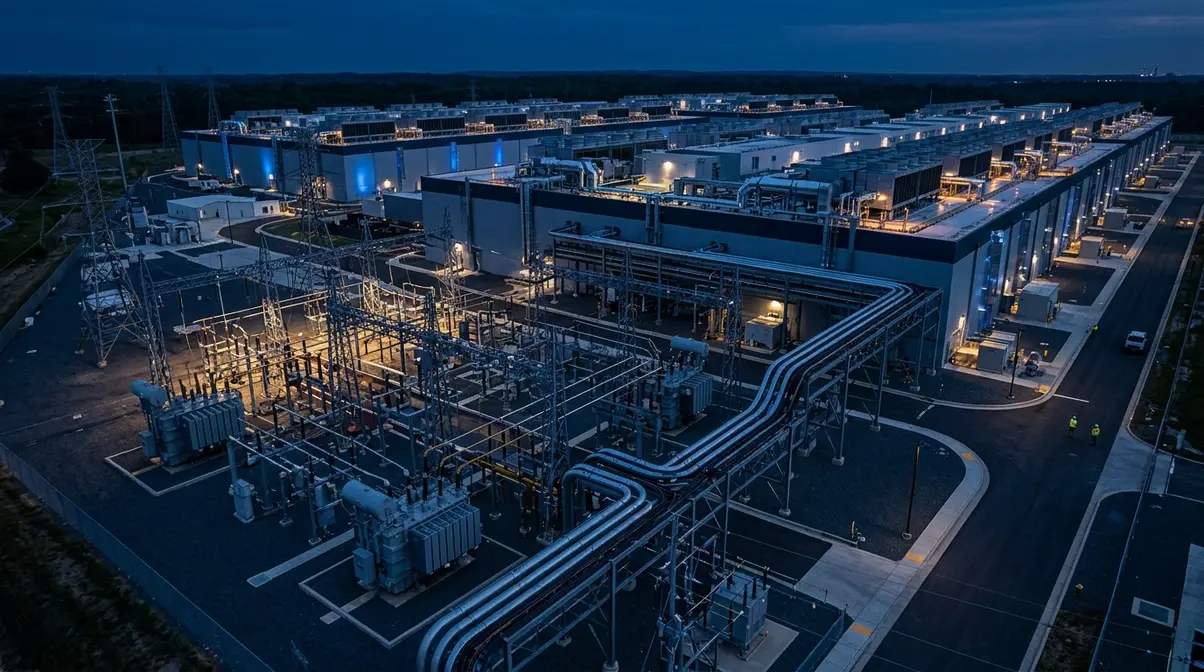
    Simonelli pointed to the integration of liquid cooling and 800-volt power systems as foundational technical shifts necessary for modern facilities. These advancements are increasingly required to manage the thermal and power demands of modern high-performance computing environments.

    The discussion also addressed the adoption of AI-driven design processes and the move toward prefabricated construction methods. These approaches are being utilized to increase speed to market and optimize infrastructure deployment. Furthermore, the role of strategic partnerships was emphasized as a critical component in navigating the complexities of modern data center development.

    Source: Data Center Dynamics
    Original article: https://www.datacenterdynamics.com/en/videos/dcd-studio-the-future-of-data-centers-with-jim-simonelli-schneider-electric/

  • Barclays appoints Anita Tanna as its first chief AI officer

    Barclays appoints Anita Tanna as its first chief AI officer

    Barclays has announced the appointment of Anita Tanna as its inaugural chief artificial intelligence officer. Tanna transitions into this new role having previously served as the group chief of staff at the bank.

    This strategic appointment signals a formalization of the bank’s leadership structure regarding artificial intelligence technologies. As the bank’s first officer dedicated to the field, Tanna is positioned to oversee the integration and development of AI initiatives across Barclays’ operations.

    Source: Finextra
    Original article: https://www.finextra.com/newsarticle/48645/barclays-names-anita-tanna-chief-ai-officer?utm_medium=rssfinextra&utm_source=finextrafeed

  • Emerald AI’s Varun Sivaram on the intersection of data centers and grid energy

    Emerald AI’s Varun Sivaram on the intersection of data centers and grid energy

    In a recent feature by Data Center Dynamics, Varun Sivaram of Emerald AI explored the intersection of rapidly scaling artificial intelligence infrastructure and the limitations of current power grid capacities. The discussion focuses on the critical need to manage AI’s energy footprint effectively as data centers become significant nodes of national and regional power networks.

    Sivaram highlighted a strategy to transform data centers from traditional energy consumers into flexible grid assets. By integrating advanced energy management capabilities, these facilities could potentially offer greater stability to the power grid, helping to balance supply and demand fluctuations caused by the surge in AI-related processing requirements.

    The conversation also touched upon the role of regulatory frameworks in facilitating this transition. Sivaram emphasized the importance of policy support for the AI Energy Management Alliance, a collaborative effort aimed at addressing the systemic power challenges posed by large-scale artificial intelligence deployments. The industry’s ability to coordinate across regulatory and technical fronts remains a key area of focus for operators looking to scale their infrastructure sustainably.

    Source: Data Center Dynamics
    Original article: https://www.datacenterdynamics.com/en/videos/dcd-studio-ais-power-problem-with-varun-sivaram-emerald-ai/

  • Atesh reports attack on communication infrastructure in Belgorod region

    Atesh reports attack on communication infrastructure in Belgorod region

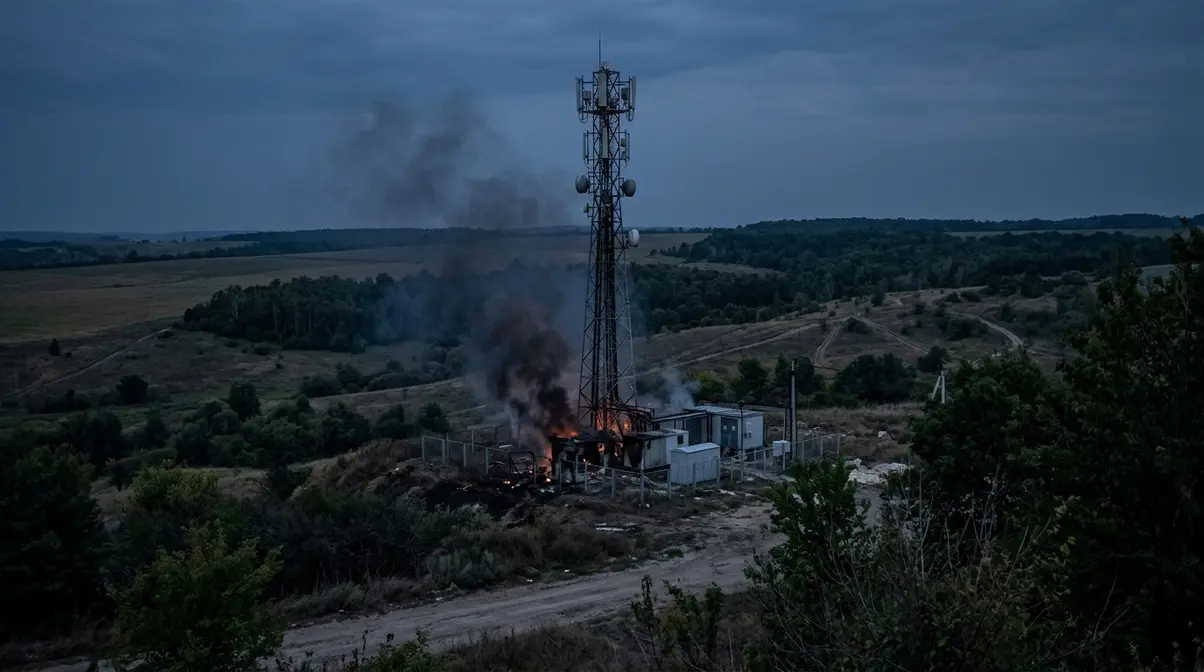
    The Atesh partisan movement has reported that it carried out an attack on a communications tower located in Russia’s Belgorod region. According to the group, the facility served as a critical repeater site for Russian military drone operations.

    No further technical details regarding the extent of the damage to the infrastructure or the specific methods used in the reported action have been provided at this time.

    Source: Data Center Dynamics
    Original article: https://www.datacenterdynamics.com/en/news/ukraines-atesh-attacks-comms-tower-in-russias-belgorod-region/

  • Chinese national extradited to U.S. in connection with $36 million cryptocurrency scam

    Chinese national extradited to U.S. in connection with $36 million cryptocurrency scam

    A Chinese national has been arraigned in a California court after being extradited from the Netherlands to face charges related to a sophisticated cryptocurrency investment fraud scheme. Authorities allege the suspect played a significant role in a fraudulent operation that resulted in the theft of nearly $37 million from 174 victims across the United States.

    The extradition marks a major step in the ongoing investigation into the incident, which targeted individuals through deceptive investment practices. The case highlights the growing complexity and international scope of financial crimes involving digital assets, where perpetrators often operate across multiple jurisdictions to facilitate illicit activities and evade law enforcement.

    The suspect’s arraignment follows international cooperation between Dutch and American authorities to bring the individual to trial. The prosecution’s case centers on the systematic misappropriation of funds from victims under the guise of legitimate cryptocurrency investment opportunities. Further legal proceedings are expected to outline the specific mechanisms used in the scheme and the extent of the suspect’s involvement in the enterprise.

    Source: BleepingComputer
    Original article: https://www.bleepingcomputer.com/news/security/chinese-man-extradited-for-role-in-36-million-cryptocurrency-scam/

  • Cybersecurity Awareness Month theme focuses on long-term digital resilience

    Cybersecurity Awareness Month theme focuses on long-term digital resilience

    In recognition of Cybersecurity Awareness Month, the industry is shifting its focus toward a long-term perspective on digital infrastructure. The current theme, “Securing the Next 250,” challenges organizations to move beyond the immediate identification of vulnerabilities and prioritize the structural integrity of digital systems for future generations.

    The initiative highlights the necessity of building software security practices designed to remain effective over extended periods. By looking toward long-term resilience, the campaign aims to encourage developers and security professionals to consider how current architectural choices will impact the security posture and stability of systems in the years and decades ahead.

    Source: Dark Reading
    Original article: https://www.darkreading.com/cyberattacks-data-breaches/10-software-security-practices-built-250-years

  • New guidance treats runaway AI agents as security incidents

    New guidance treats runaway AI agents as security incidents

    A collaborative effort by the National Institute of Standards and Technology (NIST), the Cybersecurity and Infrastructure Security Agency (CISA), and the National Security Agency (NSA) has introduced new guidance focusing on the management of artificial intelligence agents. The initiative advises organizations to treat “runaway” AI agents—those operating outside of intended parameters—as formal security incidents requiring structured rehearsal and response.

    A critical component of this guidance centers on identity management. According to the document, a primary challenge in incident response is determining the specific authority an AI agent utilized during an anomalous event. The guidance asserts that organizations must establish clear frameworks for agent authority and identity tracking before an incident occurs, ensuring that the identity record serves as reliable evidence during forensic analysis and recovery.

    By treating these challenges as rehearsals for potential security breaches, the agencies aim to help organizations develop robust operational practices for AI deployment. The guidance emphasizes that the capacity to identify and limit an agent’s permissions is essential for maintaining control within increasingly automated digital environments.

    Source: BleepingComputer
    Original article: https://www.bleepingcomputer.com/news/security/when-an-ai-agent-is-the-incident-the-identity-record-is-the-evidence/

  • ABB’s Adrian Guggisberg discusses powering gigawatt-scale AI data centers

    ABB’s Adrian Guggisberg discusses powering gigawatt-scale AI data centers

    As artificial intelligence workloads drive demand for higher compute density, the energy infrastructure supporting these systems faces unprecedented pressure. In a recent episode of DCD Studio, Adrian Guggisberg of ABB discussed the evolving landscape of power management for gigawatt-scale AI data centers.

    The discussion highlighted the move toward more efficient power architectures, including the use of 800VDC distribution systems to handle the increased load demands of modern facilities. These technical adaptations are critical as operators look for ways to optimize energy efficiency while maintaining operational uptime.

    Beyond internal distribution, the conversation emphasized the necessity of industry partnerships to ensure reliable power delivery. Maintaining grid stability remains a central challenge for developers and operators as they scale facilities to meet the power-intensive nature of large-scale AI deployments.

    Source: Data Center Dynamics
    Original article: https://www.datacenterdynamics.com/en/videos/dcd-studio-equipping-an-ai-future-with-adrian-guggisberg-abb/