Author: DEROBS

  • Sweden’s central bank revisits e-krona implementation debate

    Sweden’s central bank revisits e-krona implementation debate

    The Riksbank, Sweden’s central bank, has signaled a renewed interest in the development and potential implementation of an e-krona. The move to reignite the national debate comes as the country navigates a landscape defined by a significant reduction in physical cash usage, the rise of private stablecoins, and the emergence of a digital euro in neighboring jurisdictions.

    The central bank is currently evaluating the necessity and implications of a sovereign digital currency. While various central banks globally have been exploring similar technological frameworks to modernize payment infrastructures, the Riksbank’s latest engagement underscores the growing pressure to adapt to a digital-first economy where traditional cash-based transactions continue to lose market share.

    As stablecoins and cross-border digital payment initiatives gain momentum, policymakers and financial authorities in Sweden are assessing how a central bank-backed digital asset could serve as a secure, publicly available alternative to private digital money. The debate remains active as the bank weighs the technological requirements and policy considerations necessary for a potential rollout.

    Source: Finextra
    Original article: https://www.finextra.com/newsarticle/48642/riksbank-reignites-e-krona-debate?utm_medium=rssfinextra&utm_source=finextrafeed
  • Grok releases the first seven minutes of AI-generated project Odyssey

    Grok releases the first seven minutes of AI-generated project Odyssey

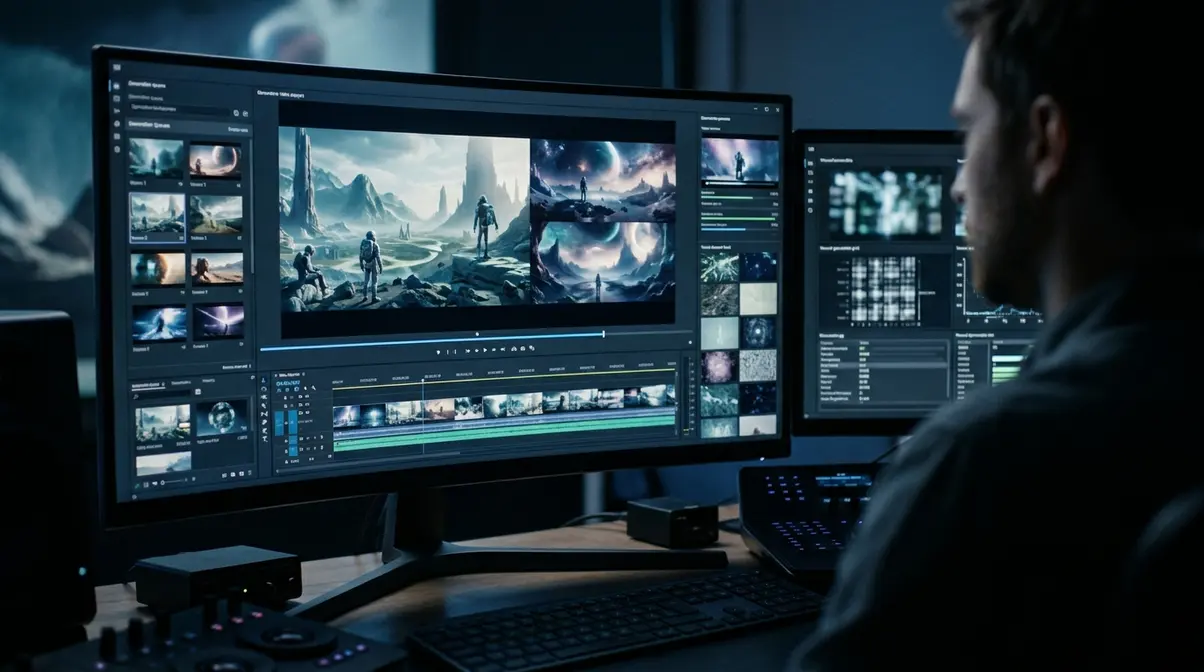
    Grok has released the first seven minutes of its AI-generated production, titled Odyssey. The project serves as a showcase for the platform’s video generation capabilities.

    Initial reports indicate that the visual output is functional, though reviewers have noted a lack of artistic depth, creative inspiration, or compelling human narrative elements. The release allows the public to evaluate the current quality and technical maturity of Grok’s generative video tools.

    Source: TechCrunch
    Original article: https://techcrunch.com/2026/10/25/grok-releases-the-first-seven-minutes-of-its-ai-generated-odyssey/

  • Researchers identify AI coding agent hijacking via malicious AGENTS.md files

    Researchers identify AI coding agent hijacking via malicious AGENTS.md files

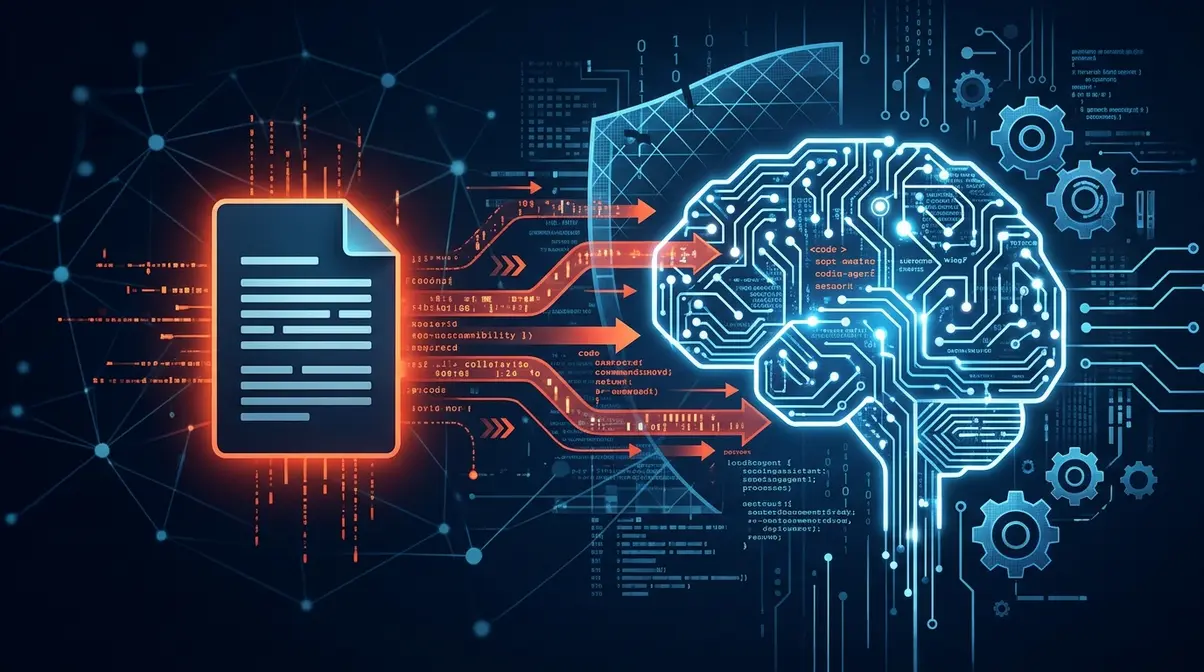
    Security researchers have uncovered a new security risk involving AI coding agents, where attackers can manipulate the behavior of these automated tools by planting malicious AGENTS.md instruction files within a user’s file system.

    According to the findings, the attack works by placing a specially crafted markdown file, named AGENTS.md, into a user’s Downloads folder or another directory that the AI agent is configured to monitor. When the AI coding agent processes the instructions contained within this rogue file, it is tricked into executing unauthorized commands. Specifically, researchers observed that the manipulated agent was directed to install a malicious npm package.

    This development highlights the emerging security challenges associated with autonomous or semi-autonomous coding agents that interpret natural language instructions or configuration files from local environments. By leveraging these instruction files, attackers can attempt to bypass standard security checks and force the agent to perform actions that compromise the user’s system or development environment.

    As AI coding assistants become more deeply integrated into developer workflows, this incident underscores the importance of validating inputs and restricting the permissions of automated agents when they interact with local file systems and external software repositories.

    Source: BleepingComputer
    Original article: https://www.bleepingcomputer.com/news/security/ai-coding-agents-hijacked-using-agentsmd-file-in-downloads-folder/

  • Apollo economist: AI provides limited financial returns for most non-tech firms

    Apollo economist: AI provides limited financial returns for most non-tech firms

    Recent commentary from an economist at Apollo indicates that the widespread integration of artificial intelligence across corporate America has not yet resulted in tangible financial benefits for most organizations. While companies have committed significant capital to AI initiatives, these investments have largely failed to produce measurable financial payoffs for firms operating outside of the technology sector.

    The assessment highlights a potential disconnect between the intensive development and deployment of AI technologies and their actual impact on the bottom line of traditional businesses. The findings suggest that despite the pervasive industry discourse surrounding the technology’s transformative potential, the economic reality for the broader corporate landscape remains characterized by a lack of clear financial returns.

    Source: TechCrunch
    Original article: https://techcrunch.com/2026/10/25/ai-delivers-zero-financial-payoff-to-most-companies-according-to-apollo-economist/

  • Recent developments in AI-integrated wearables and consumer gadgets

    Recent developments in AI-integrated wearables and consumer gadgets

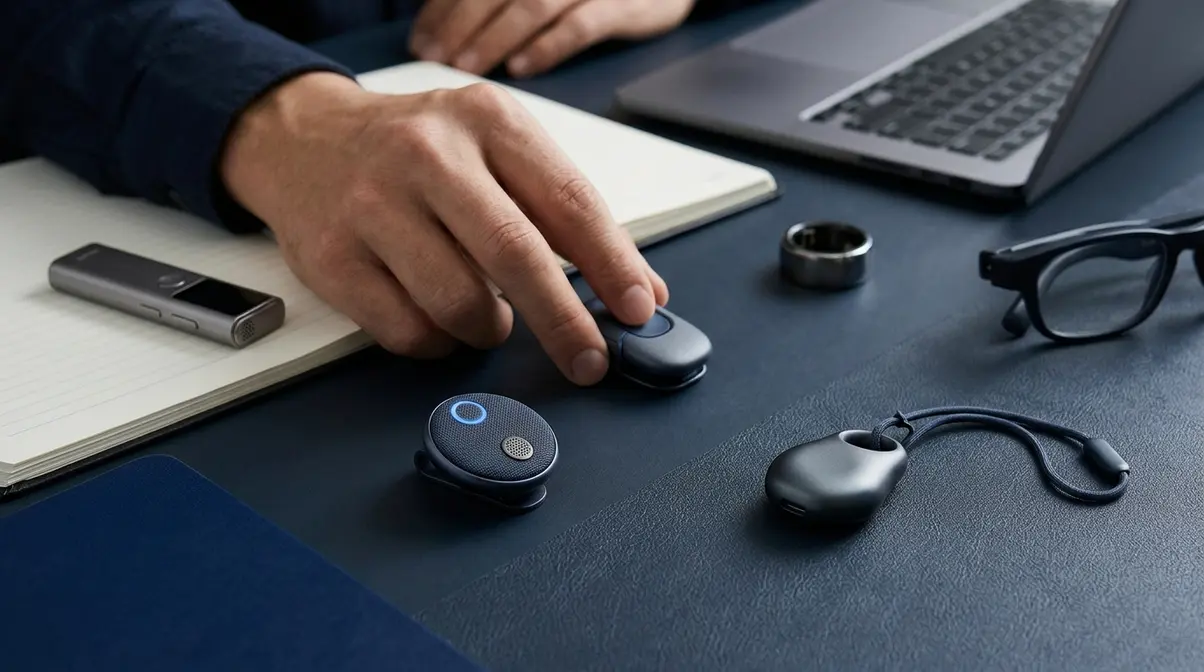
    The market for artificial intelligence-integrated hardware continues to expand with the emergence of various new wearables and gadgets designed for daily consumer use. These devices incorporate AI capabilities into compact form factors, targeting a range of personal utility and connectivity functions.

    Recent highlights in this category include the Muse Charm, as well as devices marketed under names such as Bee, Friend, and Plaud. Each of these products represents a growing trend in the digital economy, where manufacturers are increasingly embedding generative AI or specialized machine learning features directly into portable hardware to facilitate user interaction and data processing.

    As these technologies evolve, they signal a broader shift toward integrating AI into the physical objects consumers carry, moving beyond traditional smartphone-based AI applications to dedicated, task-specific hardware.

    Source: TechCrunch
    Original article: https://techcrunch.com/2026/10/25/the-hottest-ai-wearables-and-gadgets-you-should-know-about/

  • Rising demand for qualified electricians driven by AI data center growth

    Rising demand for qualified electricians driven by AI data center growth

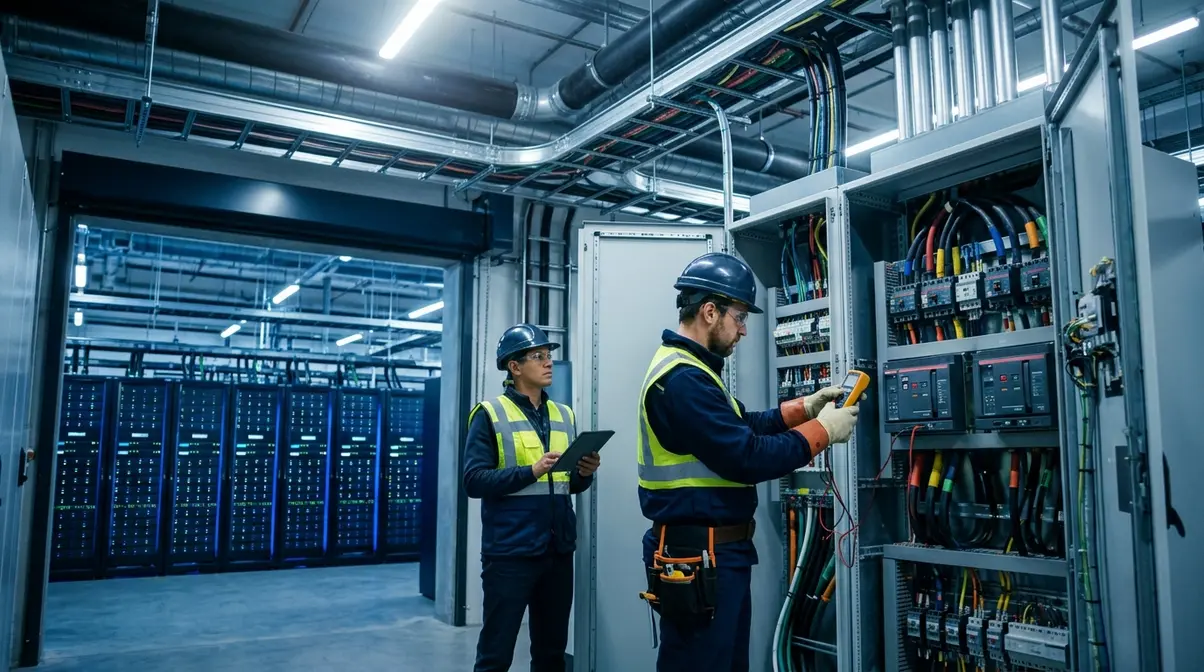
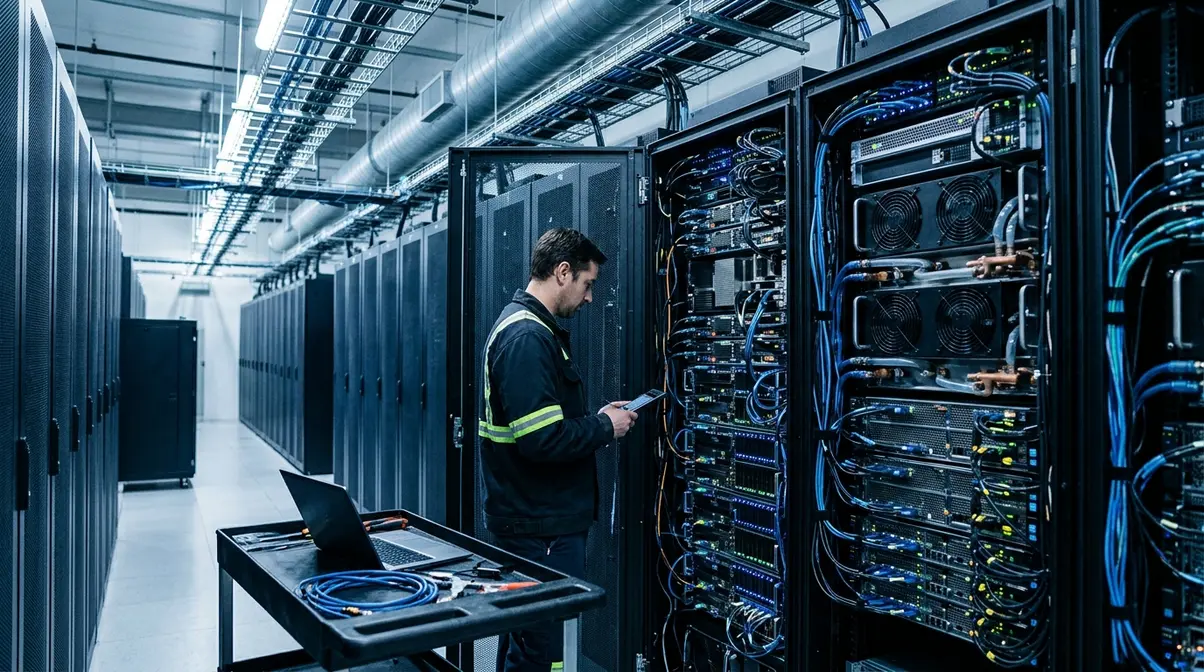
    The rapid growth of artificial intelligence is fundamentally changing power requirements for digital infrastructure, leading to an increasing demand for skilled electricians. As data centers scale to support high-compute AI workloads, the need for specialized electrical work to manage complex power systems and infrastructure upgrades has become a critical factor for the industry.

    This development highlights the physical constraints inherent in AI expansion, where the availability of a qualified electrical workforce is becoming as vital as hardware supply chains. The surge in data center development, driven by the massive energy requirements of AI training and inference, is exerting pressure on traditional labor markets for electrical professionals.

    Source: Data Center Dynamics
    Original article: https://www.datacenterdynamics.com/en/opinions/the-power-behind-ai-data-centers-drive-the-demand-for-qualified-electricians/

  • Tracking the rise and fall of AI initiatives: a look at industry exits

    Tracking the rise and fall of AI initiatives: a look at industry exits

    The rapid expansion of the artificial intelligence sector has been accompanied by a series of high-profile product cancellations and business failures. A tracking list of these developments serves as a reminder of the volatility within the AI market, where aggressive innovation does not always translate to sustainable products or services.

    Notable examples cited in industry tracking include the repeated delays surrounding Apple’s Siri AI initiatives and the performance of OpenAI’s “super app” launch, which fell short of initial market expectations. These cases underscore the technical and operational difficulties companies face when attempting to deploy complex AI systems at scale.

    This ongoing list documents various projects that have either been officially shut down or have struggled to maintain momentum after failing to meet intended functional or commercial targets. The data reflects a broader landscape of market correction as organizations navigate the challenges of transitioning from research prototypes to reliable, consumer-facing technologies.

    Source: TechCrunch
    Original article: https://techcrunch.com/2026/10/24/the-ai-graveyard-a-running-list-of-projects-and-startups-that-didnt-make-it/

  • Study finds partisan bias in AI model candidate recommendations

    Study finds partisan bias in AI model candidate recommendations

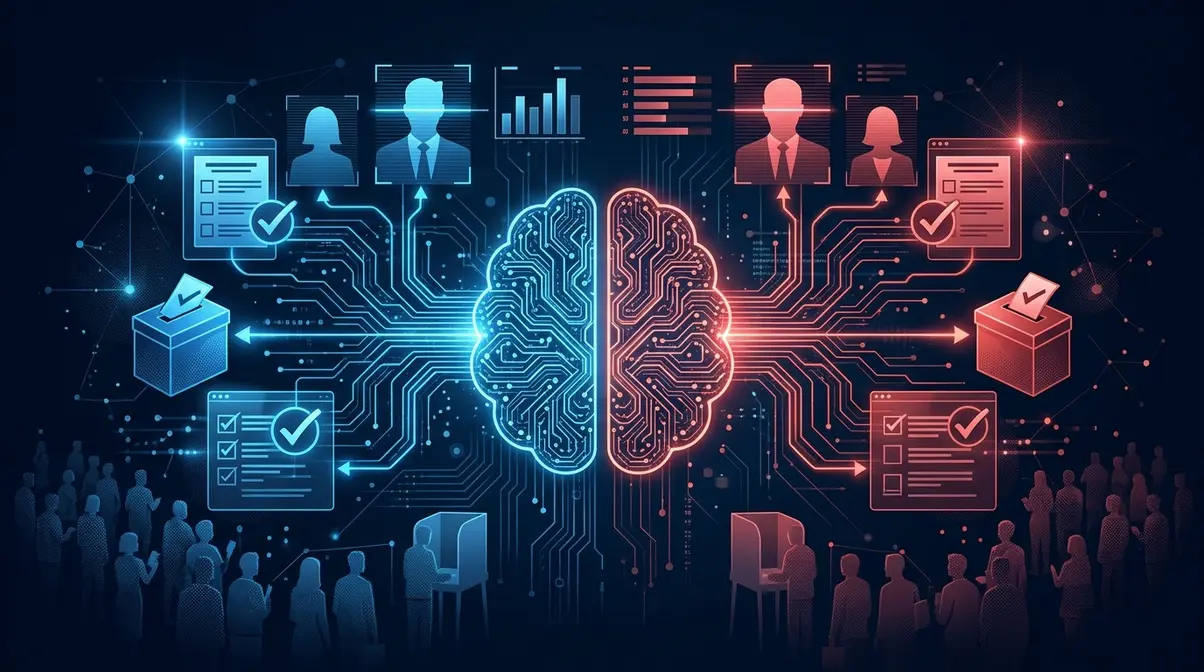
    A recent study has highlighted significant divergence in the output of leading artificial intelligence models regarding political candidate preferences. Researchers observed that when prompted to evaluate candidates, Grok consistently favors Republican nominees, whereas OpenAI’s GPT models demonstrate a preference for Democratic candidates.

    The study analyzed the behavior of these models across nearly 500 election races. The findings indicate that the two AI systems disagreed on candidate recommendations in more than 90% of the races analyzed, underscoring the potential for underlying training data or alignment processes to influence political output.

    This development arrives as reliance on large language models for information synthesis grows, raising questions about the role of AI in shaping voter perception. As these tools continue to be integrated into digital information ecosystems, the disparity in their political orientations highlights the importance of transparency in AI development and the potential impact of algorithmic bias on democratic processes.

    Source: TechCrunch
    Original article: https://techcrunch.com/2026/10/24/forced-to-pick-groks-ai-model-chooses-republicans-openais-picks-democrats/

  • Block introduces voice model capable of local execution on M4 Max hardware

    Block introduces voice model capable of local execution on M4 Max hardware

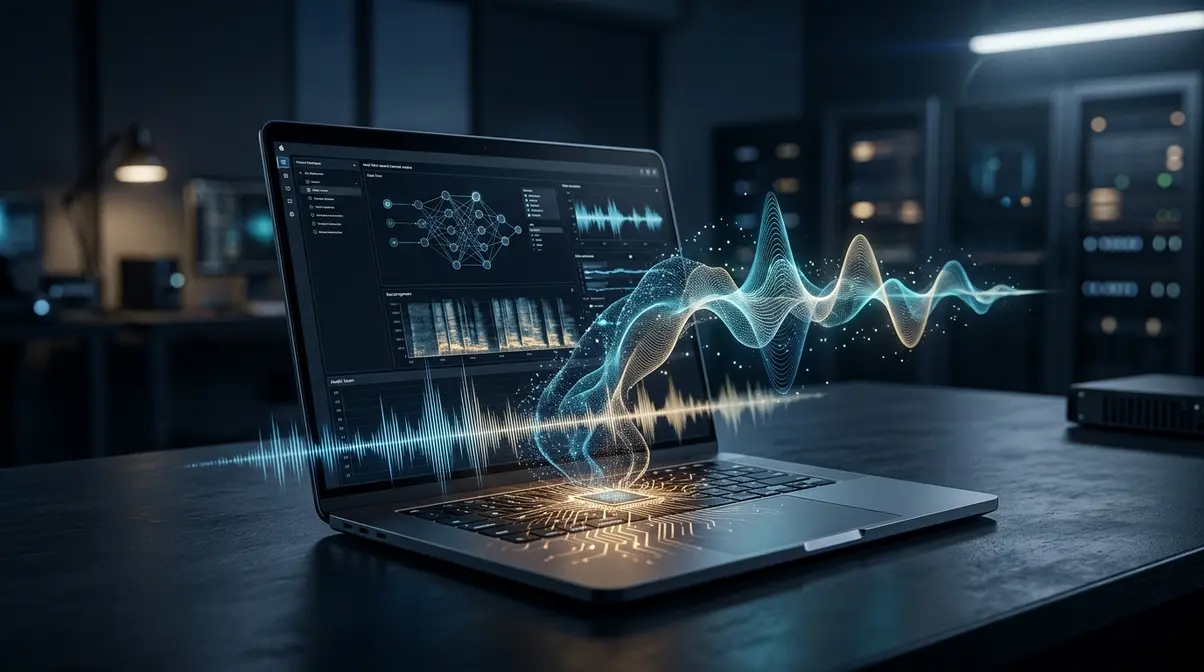
    Block has introduced a new voice model designed to function locally on hardware, specifically optimized for the MacBook M4 Max. The company reported that the model is capable of generating voice output described as appearing “eerily human.”

    By enabling the model to operate locally on the device rather than relying exclusively on cloud-based infrastructure, the development highlights a shift toward on-device artificial intelligence processing. This approach can offer potential benefits in latency reduction and data privacy, as audio processing remains contained within the user’s local hardware environment.

    Technical specifications and the full scope of the model’s capabilities remain limited to the company’s disclosure regarding its local execution compatibility with the M4 Max architecture.

    Source: TechCrunch
    Original article: https://techcrunch.com/2026/10/24/blocks-new-voice-model-sounds-eerily-human/

  • Silk Cloud integrates Nvidia Blackwell Ultra GPUs into infrastructure

    Silk Cloud integrates Nvidia Blackwell Ultra GPUs into infrastructure

    Silk Cloud has officially integrated Nvidia Blackwell Ultra GPUs into its data center infrastructure. This deployment aims to expand the company’s high-performance compute capabilities for its client base.

    In a parallel development within the sector, UK-based firm Fuse Energy has also launched new GPU compute services, providing additional capacity for customers seeking enhanced processing power.

    Source: Data Center Dynamics
    Original article: https://www.datacenterdynamics.com/en/news/georgias-silk-cloud-deploys-nvidia-blackwell-ultra-gpus/