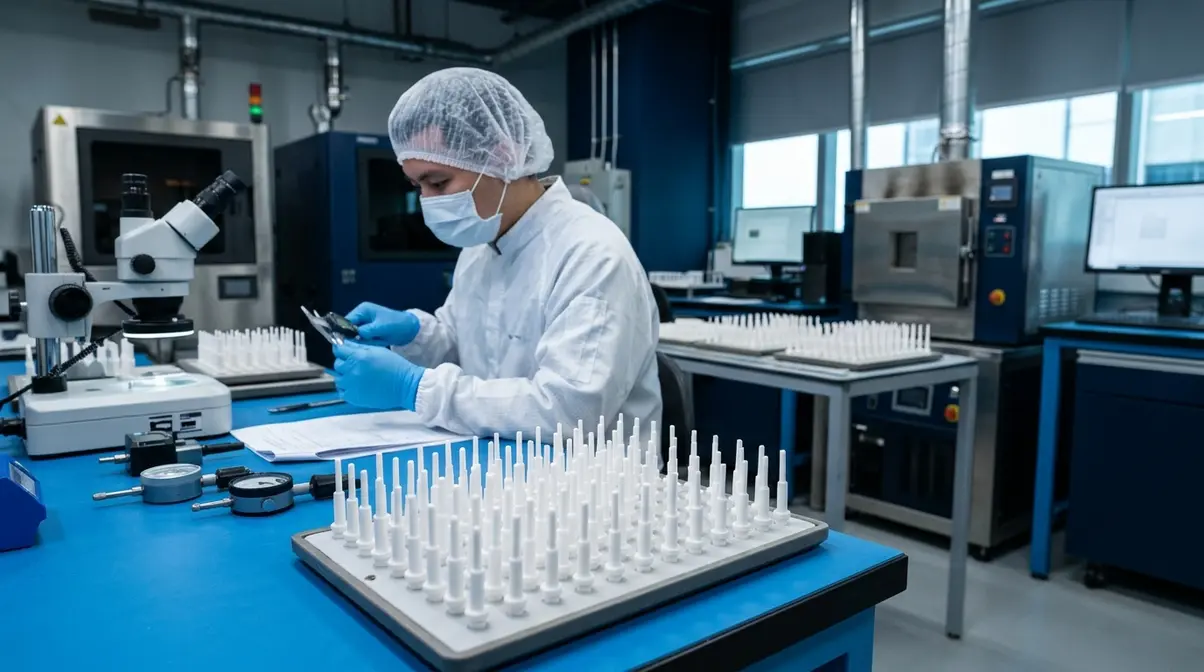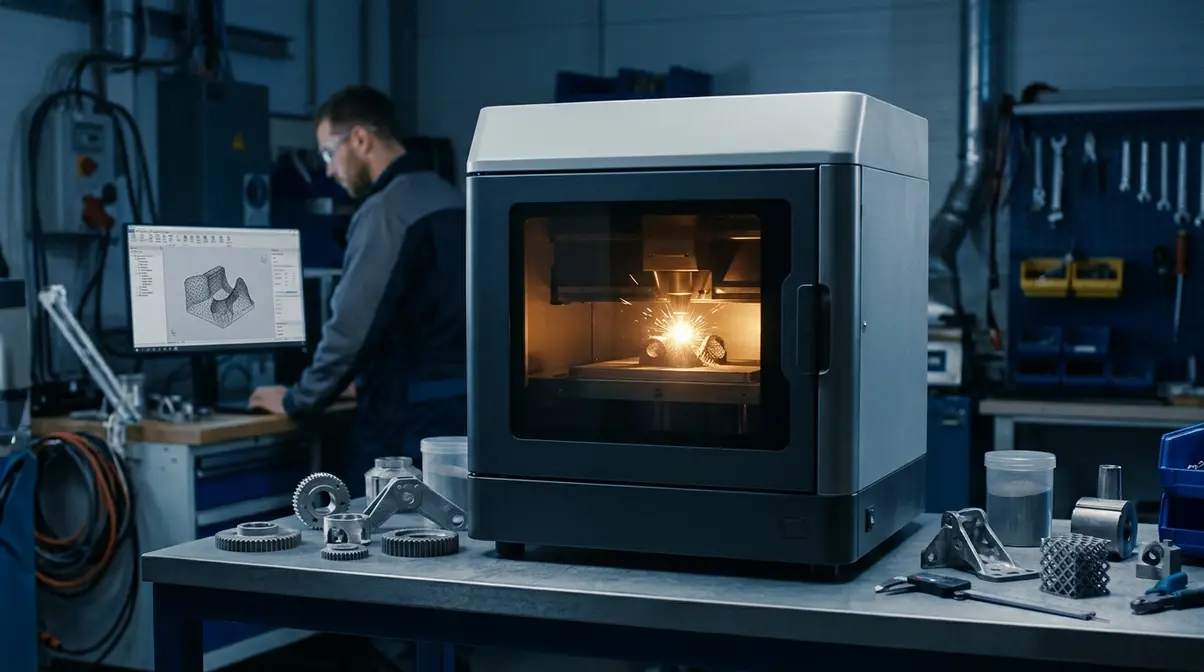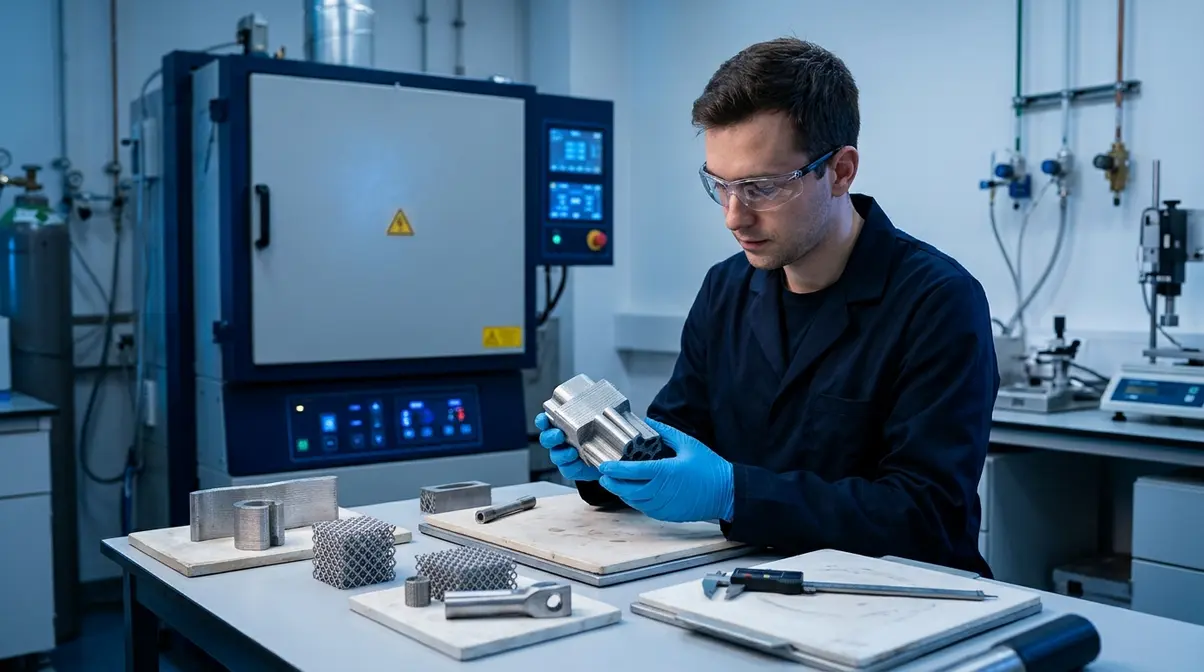
A research team led by the Swiss Federal Laboratories for Materials Science and Technology (Empa) has demonstrated a method to increase the density of 3D-printed AA6061 aluminium components. By modifying the post-processing phase, the researchers successfully bypassed the traditional solvent-based debinding stage, achieving part densities of up to 97.9%.
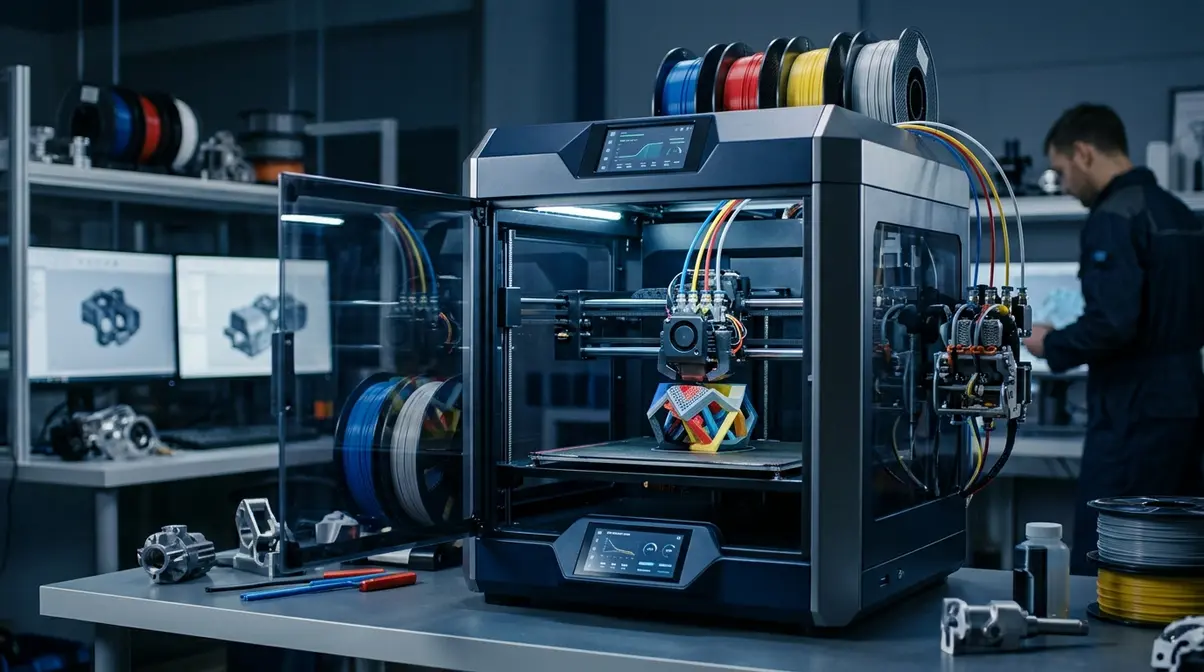
The study, published in Progress in Additive Manufacturing, focused on parts created via extrusion-based 3D printing. Typically, these printed components undergo a debinding process involving solvents to remove binders before the final sintering phase. The research team replaced this with a single-step wick debinding method combined with an extended sintering hold, which allowed for improved densification of the aluminium material.
This development is significant for the additive manufacturing industry, as achieving high density is critical for the structural integrity and performance of metal components produced via extrusion methods. By simplifying the debinding process while maintaining or improving density, the researchers offer a pathway to more efficient production cycles for complex aluminium parts.
Source: 3D Printing Industry
Original article: https://3dprintingindustry.com/news/swiss-polish-team-skips-the-solvent-bath-gets-printed-aluminium-to-98-density-255937/?utm_source=rss&utm_medium=rss&utm_campaign=swiss-polish-team-skips-the-solvent-bath-gets-printed-aluminium-to-98-density