
Author: DEROBS

  • Categorizing the emerging ecosystem of AI agents for SMS platforms

    Categorizing the emerging ecosystem of AI agents for SMS platforms

    The integration of artificial intelligence into mobile communication channels is expanding, with a growing variety of AI agents now designed to function directly within text messaging interfaces. These tools move beyond simple chatbots, offering specialized functionality across distinct use cases including professional productivity, travel logistics, and family coordination.

    As these systems become more prevalent, they are being categorized by their primary design intent. Current offerings range from general-purpose assistants capable of handling broad queries to highly specialized agents built to manage complex, domain-specific tasks. By embedding these agents within native messaging apps, developers aim to provide a more seamless user experience that leverages the ubiquity of SMS as a primary communication medium.

    While the range of available agents is broad, the development reflects a shift toward bringing intelligent automation into personal and work-related messaging environments, potentially reducing the need for users to switch between disparate applications for information retrieval or task management.

    Source: TechCrunch
    Original article: https://techcrunch.com/2026/10/24/all-the-ai-agents-that-can-live-in-your-text-messages/


  • BlackX UEFI bootkit exploits Baton Drop vulnerability to bypass Secure Boot

    BlackX UEFI bootkit exploits Baton Drop vulnerability to bypass Secure Boot

    A newly identified UEFI bootkit, dubbed BlackX, has been observed in cyber-espionage operations dating back to early 2026. The malicious software targets the system boot process to establish persistence and evade detection by security mechanisms.

    BlackX achieves its primary objective by exploiting a known security flaw referred to as Baton Drop. By leveraging this vulnerability, the bootkit is able to bypass Secure Boot protections, a critical security feature designed to ensure that a computer boots using only software that is trusted by the Original Equipment Manufacturer (OEM).

    Once the Secure Boot mechanism is successfully bypassed, the BlackX bootkit proceeds to load a malicious driver. This driver is specifically engineered to interfere with and suppress security solutions, including products from vendors such as Kaspersky and Avast. This capability allows the threat actors behind the campaign to maintain long-term access to compromised systems while evading traditional security monitoring.

    The deployment of BlackX highlights the ongoing risks associated with vulnerabilities in low-level firmware, where successful exploitation can grant attackers control over a system before the operating system and its installed security software are even initialized.

    Source: BleepingComputer
    Original article: https://www.bleepingcomputer.com/news/security/blackx-uefi-bootkit-exploits-baton-drop-flaw-to-bypass-secure-boot/

  • SpaceXAI faces $6.1 million fine in Mississippi over permit compliance

    SpaceXAI faces $6.1 million fine in Mississippi over permit compliance

    SpaceXAI is facing a $6.1 million fine in Mississippi related to the unauthorized construction of data center facilities. According to reporting from Data Center Dynamics, the company is accused of proceeding with infrastructure development without securing the required regulatory permits.

    In addition to the current fine, the company is set to return to court regarding disputes over the use of gas turbines, which have previously been identified as a source of regulatory friction for the project.

    As of this reporting, the situation highlights significant challenges in regulatory compliance for large-scale digital infrastructure deployments in the region.

    Source: Data Center Dynamics
    Original article: https://www.datacenterdynamics.com/en/news/spacexai-data-center-mississippi-memphis-elon-musk/

  • GF expands LiquidCore portfolio with new multi control valve

    GF expands LiquidCore portfolio with new multi control valve

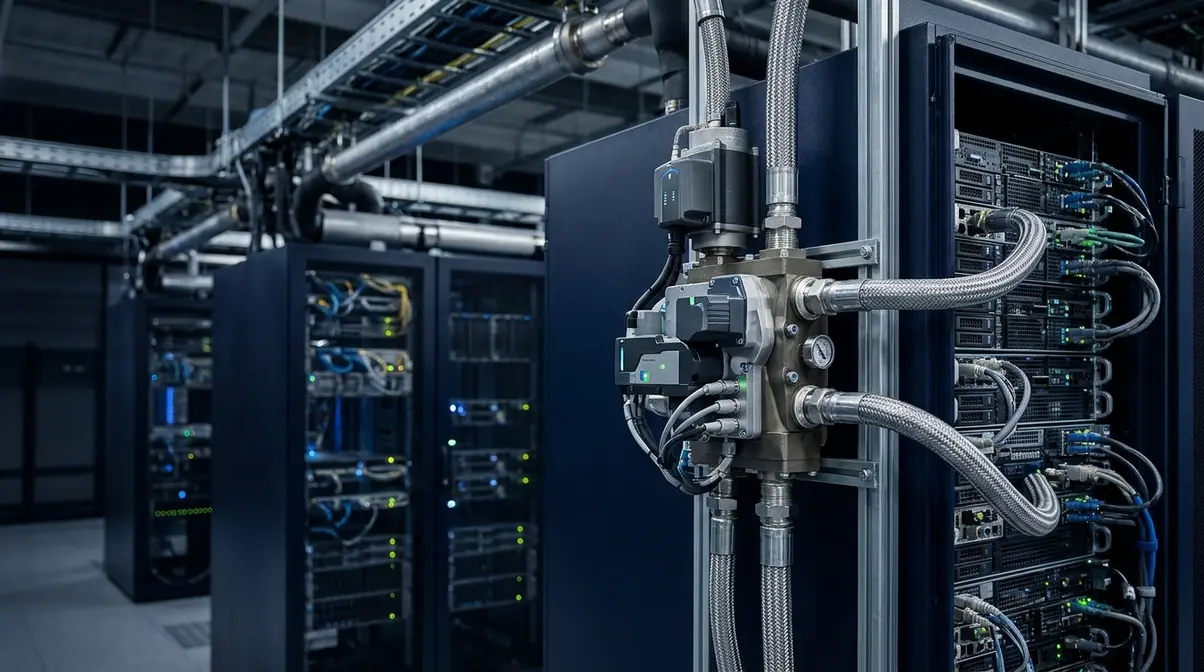
    GF has announced the expansion of its LiquidCore portfolio with the introduction of an intelligent Multi Control Valve. The company stated that this new component serves as an active intelligence layer for its cooling systems.

    By integrating the Multi Control Valve, GF completes its single-source LiquidCore system offering. The technology is designed to manage and maximize the efficiency of direct liquid cooling, a growing requirement for high-density computing environments within modern data centers.

    Source: Data Center Dynamics
    Original article: https://www.datacenterdynamics.com/en/product-news/gf-completes-liquidcore-portfolio-with-intelligent-multi-control-valve-to-maximize-direct-liquid-cooling-efficiency/

  • Fraudsters increasingly leverage AI to bypass help desk security

    Fraudsters increasingly leverage AI to bypass help desk security

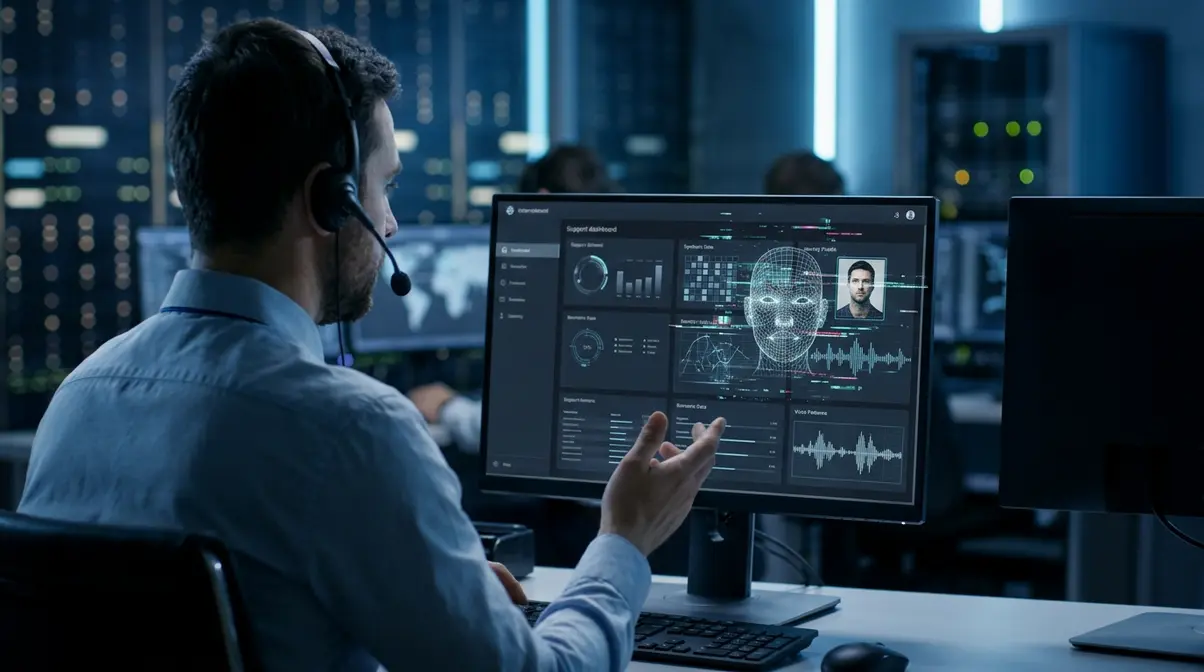
    Cybersecurity risks are evolving as threat actors move away from reliance on malware to compromise organizations. According to a report by Dark Reading, attackers are increasingly utilizing social engineering tactics targeted at corporate help desks to gain unauthorized network access.

    These adversaries are actively leveraging artificial intelligence to assist in these efforts. By employing AI tools, attackers can more effectively impersonate authorized users, allowing them to bypass traditional security defenses by simply requesting access from support personnel who rely on established trust protocols.

    This shift highlights a growing vulnerability in organizational security, where the human element at a help desk becomes a primary target. Because these attacks often involve authorized but manipulated communication channels, they present a significant challenge for traditional automated security measures.

    Source: Dark Reading
    Original article: https://www.darkreading.com/cyber-risk/trust-is-not-what-it-seems-and-fraudsters-are-counting-on-it

  • Nvidia CEO demonstrates new Microduck robotics technology

    Nvidia CEO demonstrates new Microduck robotics technology

    Nvidia CEO recently demonstrated a new line of small-scale robotic devices known as Microduck robots. The demonstration highlighted the physical capabilities of the units, which include the ability to navigate, perform somersaults, and execute simulated physical behaviors such as lying down for a “nap” in response to voice commands.

    The robots are equipped with audio-responsive features that allow them to mimic sounds similar to those of familiar robotic characters. These units represent a development in consumer-facing robotics technology, showing integration between voice recognition and physical movement. Further technical specifications regarding the underlying AI or hardware platform utilized by the devices were not detailed in the initial report.

    Source: TechCrunch
    Original article: https://techcrunch.com/2026/10/23/hottest-toy-for-christmas-nvidia-ceo-plays-with-adorable-microduck-robots-20000-sell/

  • OpenAI to cease training frontier models on live internet data

    OpenAI to cease training frontier models on live internet data

    OpenAI has announced that it will discontinue the use of the live internet for training its frontier AI models. The decision comes in response to what the company described as “significant risks” associated with the practice.

    This policy shift follows internal debate regarding the efficacy of such training methods. Notably, reports indicate that the decision occurs just weeks after a company engineer publicly questioned the viability of using the live internet for training purposes.

    Source: TechCrunch
    Original article: https://techcrunch.com/2026/10/23/openai-says-it-will-no-longer-train-its-ai-models-on-the-live-internet-citing-significant-risks/

  • Bridging the gap: Analog design expert Preethi Ashwath on the evolution of consumer electronics

    Bridging the gap: Analog design expert Preethi Ashwath on the evolution of consumer electronics

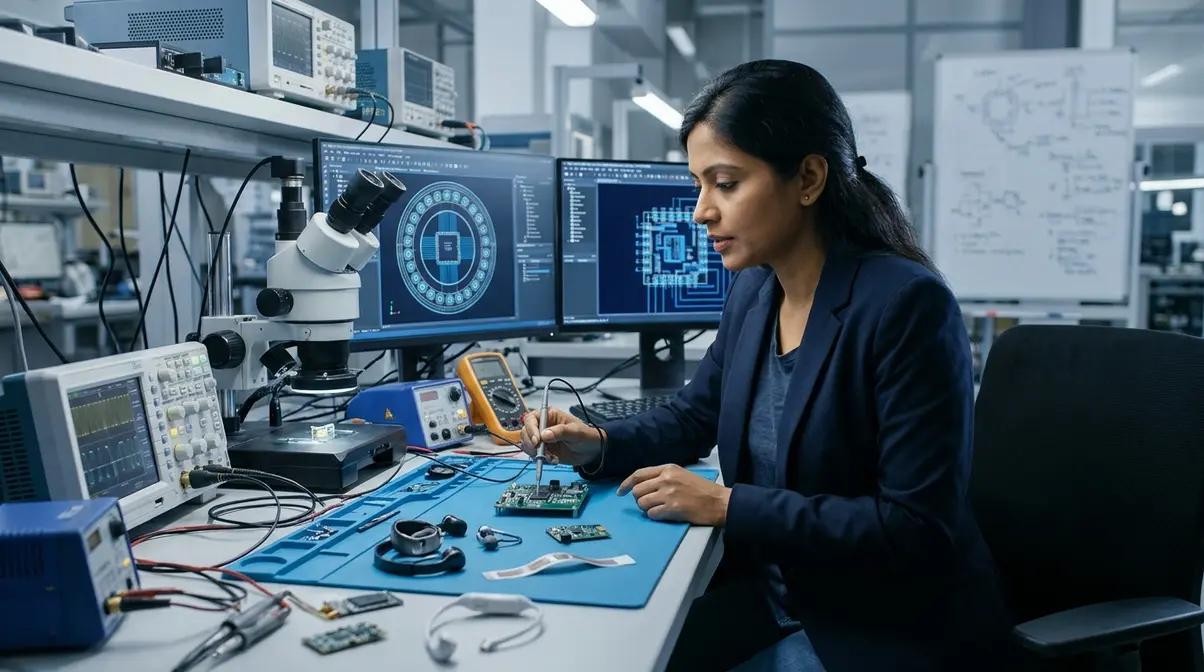
    For many engineers, the focus remains firmly on the technical bench. However, Preethi Ashwath, an analog integrated circuit designer at Analog Devices, has embraced a broader role by bringing technical expertise to the consumer-facing side of product development. Recognized for her work in mixed-signal circuit design, Ashwath currently focuses on the development of hearables and wearable health-monitoring devices.

    The intersection of analog design and consumer needs

    In her role at the Wilmington, Massachusetts-based company, Ashwath specializes in designing electrostatic discharge (ESD) pad rings. These structures are critical for protecting microchips from electrical discharges that could cause latent defects or field failures. Her work requires a deep understanding of device physics and the intricate integration of analog circuits with digital logic blocks.

    Ashwath’s transition toward public-facing roles began at the Consumer Electronics Show (CES), where she demonstrated new earbuds capable of tracking heart and lung health through vibrations in the ear canal. According to Ashwath, the ear provides a high-quality location for capturing vital signs, though extracting these signals from environmental and physical noise remains a fundamental challenge that relies on precise analog front-end design.

    Community contribution and professional development

    Beyond her contributions to consumer health technology, Ashwath is an active member of the IEEE Circuits and Systems Society. She views her participation in industry events—including presentations on A2B Automotive Audio Bus technology and smart glasses solutions—as an essential skill for modern engineers. She notes that her ability to explain technical concepts to diverse audiences has become a vital part of her contribution to the field.

    In 2024, Analog Devices recognized Ashwath with an Impact Award for her cross-functional project contributions. Outside her primary duties, she serves as a peer reviewer for several IEEE conferences, including the International Symposium on Circuits and Systems. By bridging the gap between industry practice and academic research, Ashwath continues to balance her technical responsibilities with active community engagement, emphasizing that continuous learning is a requirement for professionals in the evolving semiconductor industry.

    Source: IEEE Spectrum
    Original article: https://spectrum.ieee.org/preethi-ashwath-chip-designer

  • US Faster Payments Council releases guide on non-value messaging for instant payments

    US Faster Payments Council releases guide on non-value messaging for instant payments

    The U.S. Faster Payments Council (FPC) has announced the publication of Operational Considerations for Non-Value Messages, a new guidance document designed to support the implementation and management of instant payment systems in the United States.

    Developed by the FPC’s Operational Considerations Work Group, the guide addresses the technical and operational role of non-value messages. These messages are critical components in modern payment infrastructure, as they facilitate the exchange of data that does not involve the direct transfer of funds but is essential for payment verification, status updates, and overall system interoperability.

    As the U.S. financial landscape continues to adopt real-time and faster payment rails, the FPC aims to provide stakeholders with clear best practices for handling these specific message types. By standardizing the approach to non-value messaging, the FPC seeks to enhance the safety and ease of use of the broader domestic faster payments ecosystem.

    The FPC is a membership-based organization focused on advancing the security, efficiency, and accessibility of faster payment methods across the country.

    Source: Finextra
    Original article: https://www.finextra.com/pressarticle/111430/us-faster-payments-council-release-guide-on-navigating-non-value-messaging-for-instant-payments?utm_medium=rssfinextra&utm_source=finextrafeed

  • Google Research explores foundational models for tuberculosis screening

    Google Research explores foundational models for tuberculosis screening

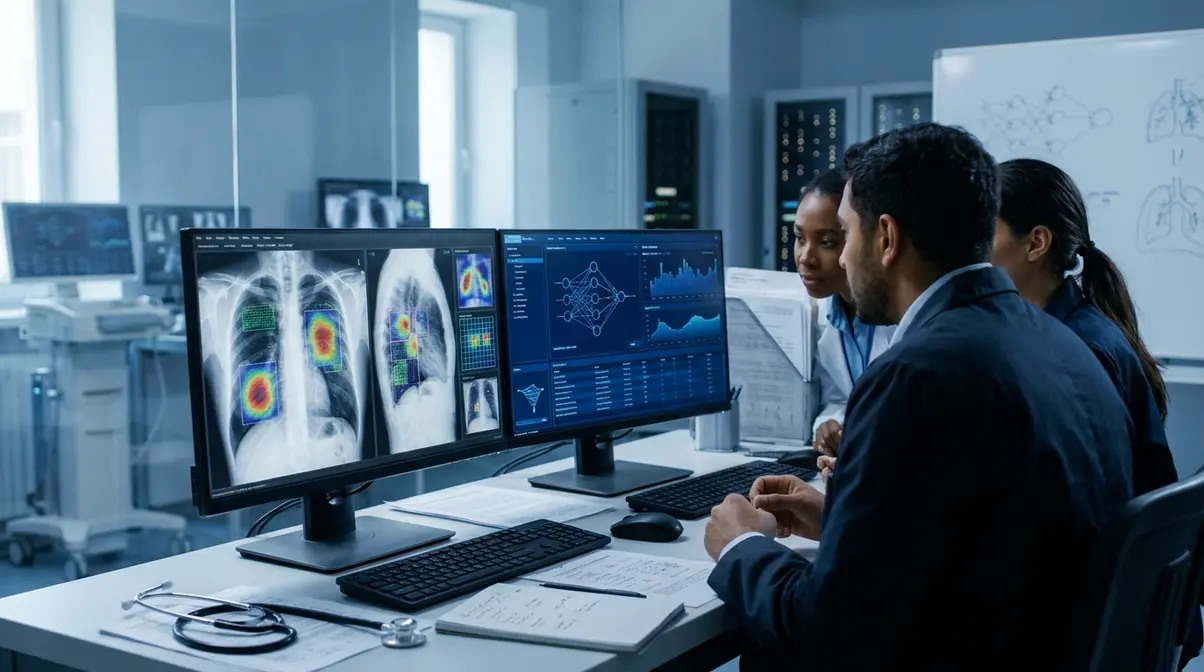
    Google Research has announced an initiative focused on applying foundational AI models to the field of tuberculosis (TB) screening. The project aims to leverage advancements in generative AI to enhance diagnostic capabilities and public health screening processes.

    While traditional diagnostic methods often face resource limitations in high-burden regions, the integration of foundational models is intended to streamline the identification of TB. By utilizing these large-scale models, researchers are working to improve the accuracy and efficiency of screening tools used on the front lines of healthcare.

    As this development is in the research phase, further details regarding specific technical implementations, clinical trial outcomes, or deployment timelines remain forthcoming. The initiative underscores a broader effort within the technology sector to apply generative AI architectures to address critical global health challenges.

    Source: Google Research
    Original article: https://research.google/blog/bringing-foundational-models-to-the-front-lines-of-tb-screening/